Strategies to Maximize Virtual Event Engagement in Remote Workspaces

In this article

Strategies to Maximize Virtual Event Engagement in Remote Workspaces
Virtual event engagement refers to the level of active participation and interaction maintained by attendees during online gatherings. In 2026, as distributed teams become the standard, understanding how to foster meaningful connections is essential. Effective virtual event engagement ensures that participants are not merely passive observers but active contributors to the discussion. This process involves using real-time data to understand attendee availability and interest levels, ensuring that the digital environment remains as dynamic as a physical office.
To achieve high levels of virtual event engagement, organizers must focus on reducing the friction between participants. When individuals feel isolated behind a screen, their motivation to participate drops. By implementing tools that show real-time presence, such as those offered by Hurbly.ai, teams can see who is available for a quick breakout session or a spontaneous brainstorm. This visibility transforms a static video call into a collaborative space where virtual event engagement happens naturally through visibility and transparency.
Practical Techniques for Enhancing Virtual Event Engagement
Improving virtual event engagement requires a shift from long, lectured-based formats to interactive, bite-sized segments. High-quality virtual event engagement is often the result of well-structured agendas that allow for frequent feedback loops. When participants can see their peers' status and engagement levels in real-time, they are more likely to stay focused on the task at hand.
The following methods are effective for boosting virtual event engagement:
- Real-Time Status Indicators: Using platforms like Hurbly.ai allows participants to signal if they are "deeply focused" or "open for chat," which helps manage expectations and increases virtual event engagement by targeting the right people at the right time.
- Interactive Polls and Q&A: Frequent interaction points prevent "screen fatigue" and keep the audience invested in the content.
- Spontaneous Breakout Rooms: Instead of pre-scheduled meetings, allow for fluid transitions into smaller groups based on current availability.
Virtual event engagement thrives when the digital workspace mimics the accessibility of a physical office. When a team member can see that a colleague is "available," they can initiate a quick conversation, mimicking the "water cooler" effect that is often lost in remote settings. This immediacy is a cornerstone of sustained virtual event engagement in professional environments.
The Role of Presence Technology in Virtual Event Engagement
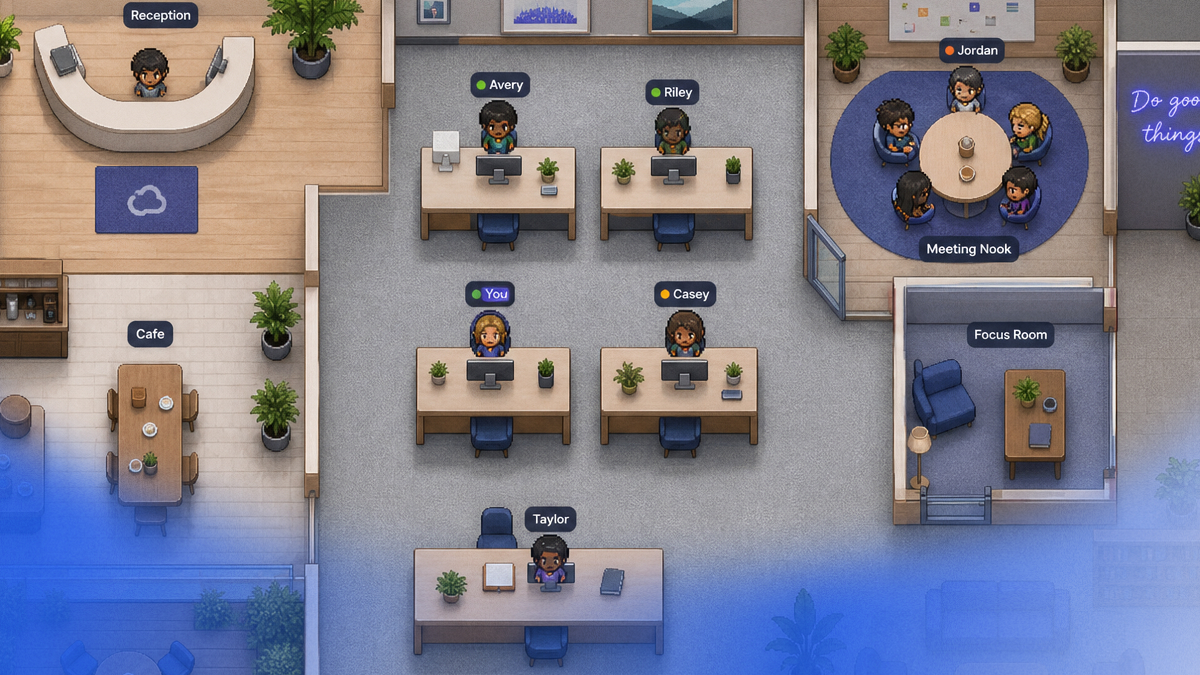
Presence technology is the backbone of modern virtual event engagement. It provides the data necessary to understand team dynamics without the need for intrusive check-ins. For instance, Hurbly.ai provides a visual map of a team’s current state, which directly impacts how virtual event engagement is managed. If a leader sees that the majority of the team is in a "focused" state, they can delay an event to a time when virtual event engagement will be higher.
| Feature | Impact on Virtual Event Engagement |
|---|---|
| Availability Tracking | Reduces interruptions and ensures participants are ready to engage. |
| Instant Conversations | Facilitates immediate feedback, which is vital for virtual event engagement. |
| Visual Office Layout | Creates a sense of belonging, which motivates higher virtual event engagement. |
By prioritizing these technological integrations, organizations can ensure that their digital interactions are productive. Virtual event engagement is not just about the software used during a call; it is about the continuous sense of presence maintained throughout the workday. When teams use Hurbly.ai, they create a foundation where virtual event engagement is a constant state rather than a scheduled task.
Why Virtual Event Engagement Matters for Distributed Teams
In 2026, the success of a remote organization is measured by its ability to maintain high virtual event engagement across different time zones. Without active virtual event engagement, teams suffer from information silos and decreased morale. High virtual event engagement leads to faster problem-solving and a more cohesive company culture.
- Preparation: Set clear goals for what the virtual event engagement should achieve.
- Implementation: Use real-time presence tools to invite available team members.
- Interaction: Encourage spontaneous dialogue rather than following a rigid script.
- Follow-up: Analyze how the virtual event engagement levels fluctuated to improve future sessions.
Ultimately, virtual event engagement is about human connection facilitated by smart technology. By integrating tools like Hurbly.ai, companies can bridge the gap between physical and digital offices. This approach ensures that every team member feels visible and valued, which is the ultimate goal of any strategy focused on virtual event engagement. Consistent virtual event engagement reduces the need for excessive meetings and promotes a more fluid, efficient workflow for everyone involved.