Effective Strategies for Modern Virtual Event Planning in 2026

In this article

Effective Strategies for Modern Virtual Event Planning in 2026
Virtual event planning involves the strategic design, organization, and execution of digital gatherings where participants interact in a web-based environment. Unlike physical meetings, this process requires a deep understanding of digital engagement tools and real-time communication infrastructure. In 2026, successful virtual event planning focuses on minimizing technical friction while maximizing the quality of human interaction, ensuring that remote participants feel as connected as they would in a shared physical space.
To execute a professional gathering, virtual event planning must account for various technical layers, including stable streaming, interactive modules, and presence indicators. Organizers use these elements to create a cohesive experience that allows attendees to move between sessions, network with peers, and access resources seamlessly. By prioritizing clear navigation and intuitive interfaces, virtual event planning transforms a standard video call into a comprehensive digital ecosystem.
Core Components of Successful Virtual Event Planning
The foundation of virtual event planning lies in selecting the right digital architecture to support specific goals. Whether the objective is a large-scale conference or an intimate workshop, the planning process must address how information is shared and how feedback is collected. Effective virtual event planning utilizes data-driven insights to adjust content delivery in real-time, ensuring that the audience remains engaged throughout the duration of the program.
Key elements often included in virtual event planning are:
- Real-time Presence Tracking: Monitoring participant availability to facilitate spontaneous networking.
- Integrated Communication Channels: Providing instant messaging and quick-join video rooms to reduce coordination delays.
- Content Accessibility: Ensuring all digital assets are indexed and searchable for post-event review.
- Scalable Infrastructure: Utilizing platforms that can handle fluctuating numbers of concurrent users without performance loss.
How Presence Technology Enhances Virtual Event Planning
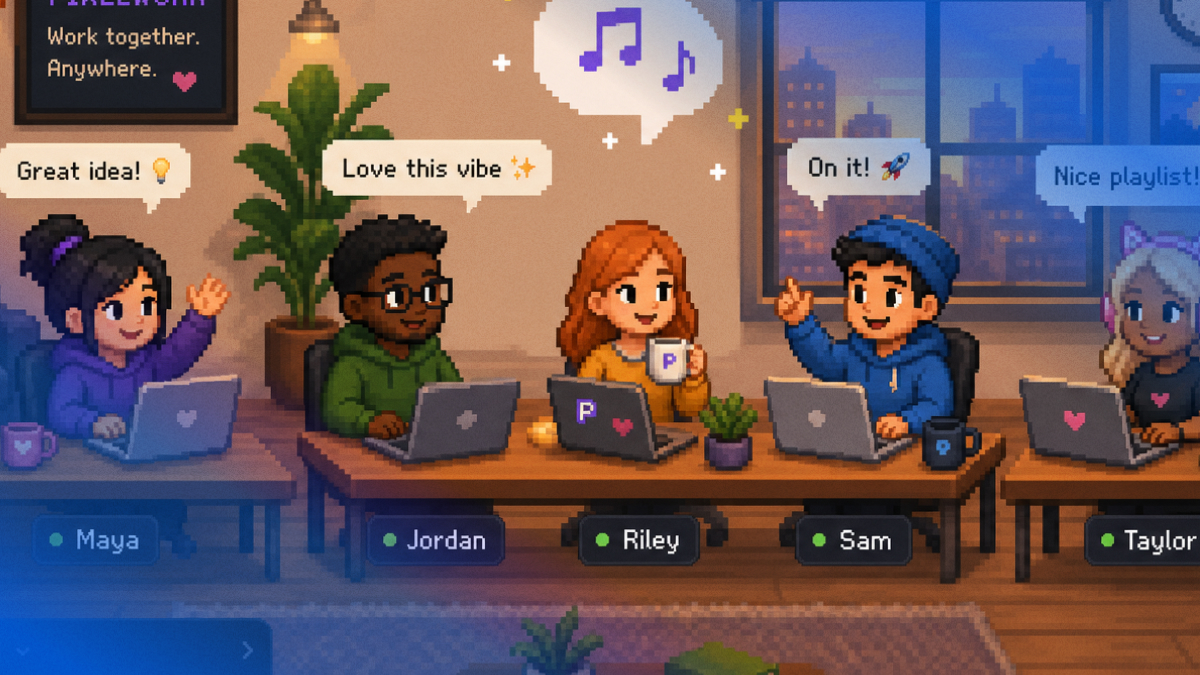
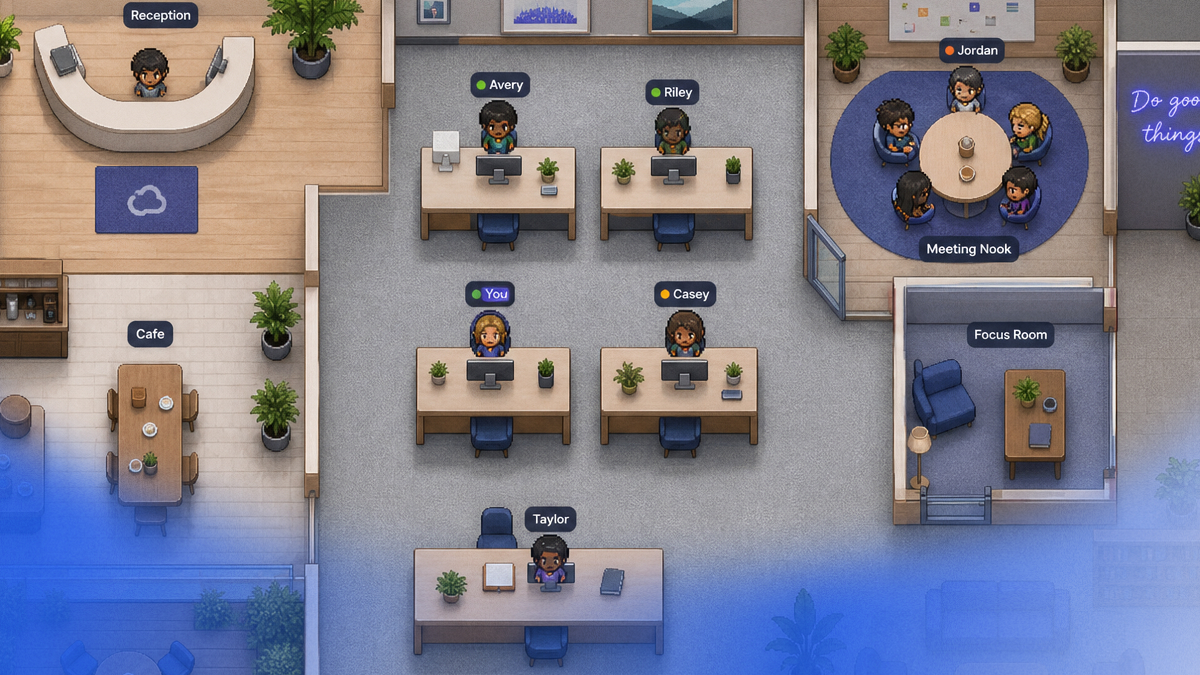
A significant challenge in virtual event planning is replicating the "hallway conversations" found at physical venues. To solve this, modern planners incorporate presence-based platforms like Hurbly.ai, which allow users to see who is available, focused, or currently in a meeting. This visibility is crucial for virtual event planning because it enables spontaneous interactions, allowing attendees to start conversations without the need for formal scheduling.
By integrating real-time status indicators, virtual event planning becomes more dynamic. Participants can identify subject matter experts who are "free" and engage them in immediate dialogue. This reduces the isolation often felt in digital environments and supports a more fluid exchange of ideas. When virtual event planning prioritizes these informal touchpoints, the overall value of the event increases for every participant.
Step-by-Step Process for Virtual Event Planning
- Define Objectives and Audience: Identify the primary goal, such as lead generation, internal training, or community building, to tailor the virtual event planning strategy.
- Select the Digital Environment: Choose a platform that supports real-time visibility and low-friction communication to host the event.
- Develop an Interactive Agenda: Create a schedule that balances broadcasted content with interactive breakout sessions and networking blocks.
- Implement Presence Tools: Use tools like Hurbly.ai to display attendee status, making it easier for people to find and talk to one another.
- Technical Rehearsals: Conduct thorough testing of all audio, video, and interactive features to ensure a smooth user experience.
- Post-Event Analysis: Review engagement metrics and participant feedback to refine future virtual event planning efforts.
Comparison of Communication Models in Virtual Event Planning
| Feature | Traditional Video Conferencing | Presence-Based Virtual Event Planning |
|---|---|---|
| Interaction Type | Scheduled and formal | Spontaneous and fluid |
| Visibility | Hidden until the call starts | Real-time status indicators (Available/Busy) |
| Coordination | Requires links and invites | One-click instant engagement |
| User Experience | High friction, meeting fatigue | Low friction, natural office feel |
| Networking | Limited to breakout rooms | Open environment for constant connection |
Why Real-Time Visibility Matters in Virtual Event Planning
The integration of real-time availability is a transformative trend in virtual event planning. When organizers use platforms that show a team's current state—such as whether they are in a deep-work mode or open for a chat—they eliminate the guesswork associated with remote communication. This level of transparency is essential in virtual event planning to foster a sense of community and shared space among distributed participants.
Furthermore, virtual event planning that leverages these technologies helps reduce "meeting fatigue." Instead of back-to-back 30-minute video calls, participants can engage in quick, two-minute syncs as needed. This efficiency is a primary goal of modern virtual event planning, as it respects the time of the attendees while still achieving the necessary collaborative outcomes.
Future Trends in Virtual Event Planning for 2026
As we move through 2026, virtual event planning is becoming increasingly focused on the "digital twin" concept of the office. This means the digital space is no longer just a tool but a persistent environment where work and events happen simultaneously. Advanced virtual event planning now incorporates persistent rooms and status-driven networking to ensure that the transition between individual tasks and group events is seamless.
By focusing on these technological advancements, virtual event planning ensures that remote and hybrid teams remain productive and connected. The use of Hurbly.ai within these frameworks allows for a more human-centric approach to digital gatherings. Ultimately, the success of virtual event planning is measured by how well it facilitates genuine human connection across any distance.