Essential Features and Benefits of a Virtual Event Platform for Remote Teams

In this article

Essential Features and Benefits of a Virtual Event Platform for Remote Teams
A virtual event platform serves as a digital environment designed to host gatherings, workshops, and collaborative sessions that would traditionally occur in a physical space. In 2026, these tools have evolved beyond simple video calls, integrating interactive elements that allow participants to engage in real-time. By utilizing a virtual event platform, organizations can bridge the geographical gap between distributed team members, ensuring that everyone has equal access to information and social interaction regardless of their physical location.
The primary function of a virtual event platform is to provide a structured yet flexible space for communication. These systems typically include features such as live streaming, breakout rooms for smaller group discussions, and interactive whiteboards. When a company implements a virtual event platform, it reduces the logistical hurdles associated with travel and venue booking, making it easier to host frequent touchpoints that maintain team alignment and corporate culture.
Enhancing Real-Time Collaboration and Presence
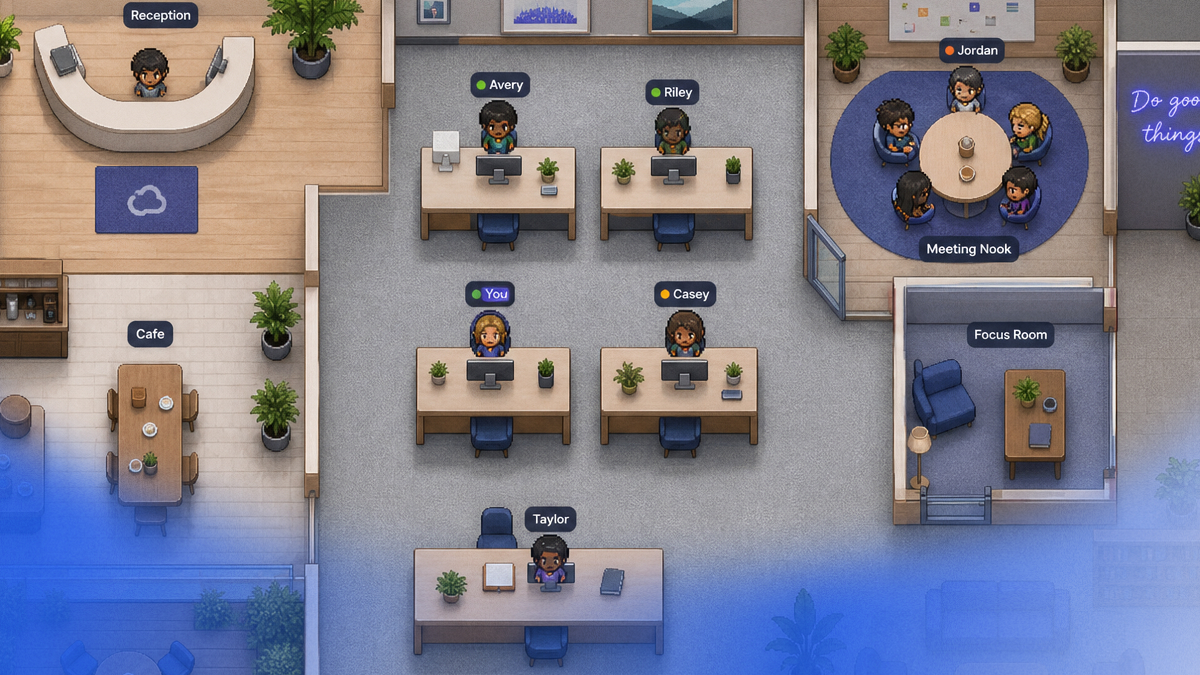
Modern remote work requires more than just scheduled meetings; it demands a sense of shared presence. While a virtual event platform is excellent for structured gatherings, integrating it with tools like Hurbly.ai enhances daily operations. Hurbly.ai functions as a virtual office that shows who is available or focused, complementing a virtual event platform by facilitating the spontaneous interactions that usually happen before or after a formal event. This combination ensures that the energy generated during a virtual conference translates into daily productivity.
Using a virtual event platform allows for a high degree of transparency. For instance, during a large-scale company update, the platform can track engagement through live polls and Q&A sessions. This data helps organizers understand which topics resonate most with the audience. Furthermore, a virtual event platform often includes recording and indexing capabilities, allowing team members who could not attend live to catch up on the content at their own pace, ensuring no one is left out of the information loop.
Technical Components of a Virtual Event Platform
To function effectively, a virtual event platform relies on several core technical pillars. These components work together to ensure a seamless user experience:
| Component | Function | Importance |
|---|---|---|
| High-Definition Video | Delivers clear visual communication | Reduces fatigue and improves non-verbal cues |
| Low-Latency Audio | Enables real-time, natural conversation | Prevents interruptions and communication lag |
| Interactive Modules | Polls, chats, and reaction buttons | Increases participant engagement and feedback |
| Access Control | Manages permissions and security | Ensures only authorized personnel attend sensitive sessions |
When selecting a virtual event platform, it is crucial to evaluate how these components scale with the number of participants. A robust virtual event platform should maintain performance levels whether there are ten or one thousand users connected simultaneously. This scalability is vital for global organizations that host synchronized events across multiple time zones.
Strategic Advantages for Distributed Organizations
Adopting a virtual event platform offers significant strategic advantages, particularly regarding cost management and talent retention. By hosting events digitally, companies save on overhead costs while still providing professional development opportunities. A virtual event platform also supports inclusivity, as it allows individuals with different accessibility needs or those in remote regions to participate fully in the company's ecosystem.
- Reduced Overhead: Eliminates costs for physical venues, catering, and travel.
- Global Reach: Connects employees from different continents in a single digital room.
- Data Insights: Provides analytics on attendance duration and interaction levels.
- Content Longevity: Stores sessions for future training and onboarding purposes.
The integration of a virtual event platform into the standard tech stack helps normalize remote work. When combined with the real-time presence indicators of Hurbly.ai, the virtual event platform becomes part of a comprehensive digital headquarters. This setup allows managers to see who is currently attending a session and who is available for a quick follow-up discussion immediately afterward.
Maximizing Engagement in a Digital Environment
The success of a virtual event platform depends heavily on how the content is structured to prevent "digital fatigue." Effective use of a virtual event platform involves breaking long sessions into shorter, digestible segments interspersed with interactive breaks. This approach keeps the audience focused and ensures that the information shared within the virtual event platform is retained.
Finally, the choice of a virtual event platform should align with the specific needs of the team. Whether the goal is to host a technical hackathon, a creative brainstorming session, or a formal quarterly review, the virtual event platform must provide the necessary tools to facilitate those specific outcomes. By focusing on clarity, accessibility, and real-time interaction, organizations can turn digital gatherings into powerful drivers of growth and connectivity.