Effective Planning and Execution of Virtual Events for Nonprofits in 2026

In this article

Effective Planning and Execution of Virtual Events for Nonprofits in 2026
Planning successful virtual events for nonprofits requires a strategic approach to digital engagement and community building. In 2026, the landscape of digital interaction has shifted toward creating authentic, real-time connections that mirror physical presence. Organizations must focus on providing value to donors and volunteers through interactive platforms that go beyond simple video streaming. By integrating tools like Hurbly.ai, nonprofit teams can coordinate these complex projects with higher transparency, ensuring that every staff member is synchronized during the live execution of the event.
To begin, a nonprofit must define the core purpose of its digital gathering. Whether the goal is fundraising, educational awareness, or volunteer recruitment, virtual events for nonprofits function best when they have a clear, singular objective. Once the objective is set, selecting a platform that supports high-capacity streaming and interactive features—such as live polls, breakout rooms, and real-time Q&A—is essential. These features transform a passive viewing experience into an active community moment, which is vital for long-term supporter retention.
Essential Infrastructure for Hosting Virtual Events for Nonprofits
The technical foundation of virtual events for nonprofits determines the overall user experience and the success of data collection. A robust infrastructure includes high-speed internet stability, professional-grade audio and video equipment, and a secure registration system. Nonprofits should prioritize platforms that offer seamless integration with their existing donor management software. This allows for the automatic tracking of attendee behavior, which provides valuable insights for future outreach and personalized communication strategies.
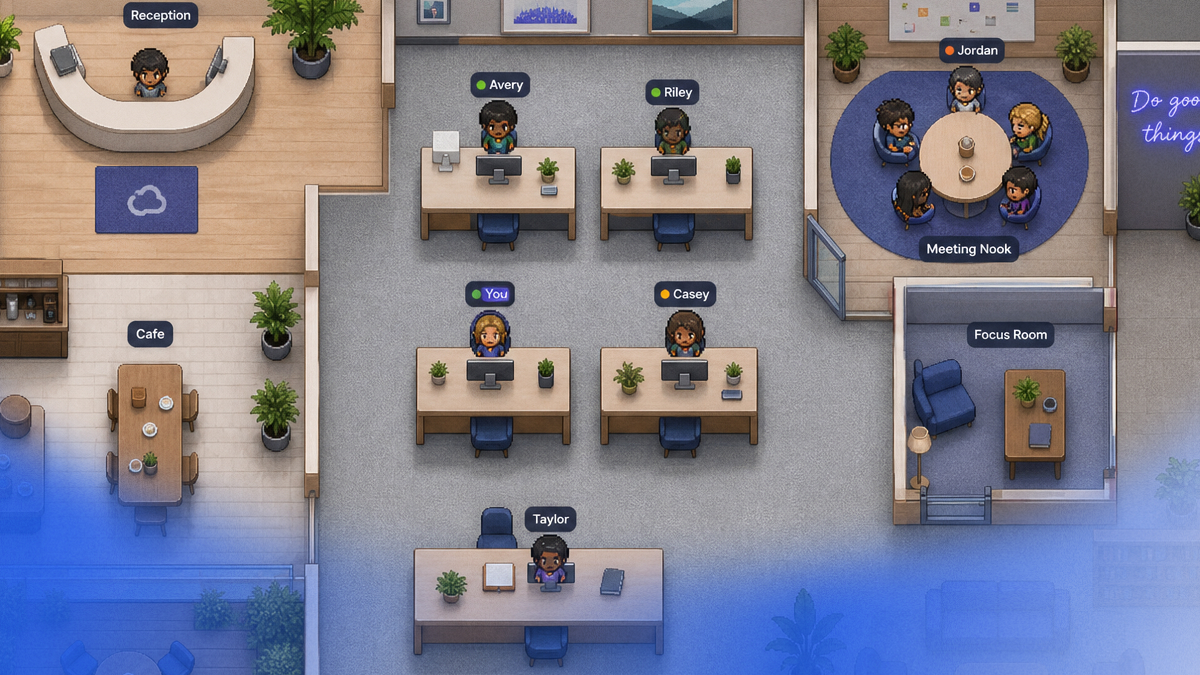
Internal coordination is equally important when managing the backend of virtual events for nonprofits. Using a real-time presence platform like Hurbly.ai allows remote event teams to see who is available to handle technical glitches or engage with VIP donors in real-time. This visibility reduces the need for constant messaging, as team members can see at a glance who is focused on the broadcast and who is free to assist. Efficient internal communication ensures that the public-facing side of the event remains professional and uninterrupted.
Strategic Engagement Tactics for Virtual Events for Nonprofits
Engaging an online audience requires different tactics than an in-person gala. To maintain interest, virtual events for nonprofits should be paced quickly, with segments lasting no longer than 10 to 15 minutes. Incorporating diverse content types—such as pre-recorded impact stories, live interviews, and interactive challenges—helps keep the audience focused. Gamification, where attendees earn points for participation, has also become a standard method for increasing interaction during virtual events for nonprofits in 2026.
| Engagement Method | Description | Benefit for Nonprofits |
|---|---|---|
| Live Q&A Sessions | Direct interaction between donors and organization leaders. | Builds trust and transparency. |
| Virtual Breakout Rooms | Small group discussions centered on specific causes. | Fosters a sense of community. |
| Real-time Impact Meters | Visual displays showing donation progress toward a goal. | Encourages immediate contributions. |
| Interactive Polls | Instant feedback on organizational initiatives. | Increases attendee investment. |
By utilizing these methods, virtual events for nonprofits can achieve high levels of participation. It is also beneficial to have dedicated "digital ushers" who welcome guests in the chat and answer questions immediately. This level of attentiveness makes the digital space feel welcoming and organized, mirroring the hospitality found at physical venues.
Maximizing Fundraising During Virtual Events for Nonprofits
Fundraising remains a primary driver for virtual events for nonprofits. In 2026, the most successful organizations use multi-channel donation paths, allowing supporters to contribute via mobile wallets, cryptocurrency, or traditional credit cards directly within the event interface. Peer-to-peer fundraising components can also be integrated, where supporters create their own "tables" or teams to compete for the highest donation totals during the live broadcast.
To ensure the fundraising process is smooth, the following steps are recommended:
- Test all payment gateways 48 hours before the event starts.
- Create a "how-to-donate" visual guide for less tech-savvy attendees.
- Assign specific staff members to monitor donation alerts and provide live shout-outs.
- Use Hurbly.ai to coordinate between the finance team and the live host for real-time total updates.
- Follow up with automated, personalized thank-you emails immediately after a gift is made.
The integration of real-time data allows virtual events for nonprofits to be dynamic. If a specific goal is close to being met, the host can adjust the script on the fly to encourage that final push, creating a shared sense of victory among all participants.
Post-Event Analysis and Long-Term Value
The conclusion of the live broadcast is only the beginning of the value cycle for virtual events for nonprofits. Data analytics play a crucial role in understanding which segments performed best and where audience drop-off occurred. By reviewing these metrics, organizations can refine their messaging for future campaigns. Additionally, the recorded content from virtual events for nonprofits can be repurposed into social media clips, newsletter highlights, and educational resources, extending the life of the event indefinitely.
Maintaining the momentum after virtual events for nonprofits requires a structured follow-up plan. This includes sending out "impact reports" that show exactly how the funds raised will be used. For the internal team, a debriefing session is essential to discuss what worked and what didn't. Using Hurbly.ai during these post-event phases helps distributed teams stay connected while they process data and prepare reports, ensuring that the collaborative energy of the event carries over into the organization's daily operations. Consistent execution of virtual events for nonprofits builds a reliable digital presence that donors will return to year after year.