Effective Strategies for Virtual Icebreakers in Remote Teams
In this article

Effective Strategies for Virtual Icebreakers in Remote Teams
Virtual icebreakers are structured activities or conversation starters designed to build rapport and strengthen connections among remote team members. In a digital workspace, these interactions replace the spontaneous "water cooler" conversations found in traditional offices. By using virtual icebreakers, organizations can reduce the social isolation often associated with remote work, ensuring that employees feel seen and heard beyond their immediate task lists. These activities serve as a bridge, transforming a group of individual contributors into a cohesive, collaborative unit.
Implementing virtual icebreakers effectively requires understanding the specific needs of your team. For instance, a quick five-minute session at the start of a weekly sync can energize the group, while longer, dedicated sessions might be better for onboarding new hires. The primary goal of virtual icebreakers is to lower the barrier to communication, making it easier for colleagues to reach out to one another for both professional and social reasons. When teams feel comfortable sharing personal insights or lighthearted stories, psychological safety increases, leading to better problem-solving and innovation.
How Virtual Icebreakers Enhance Digital Presence
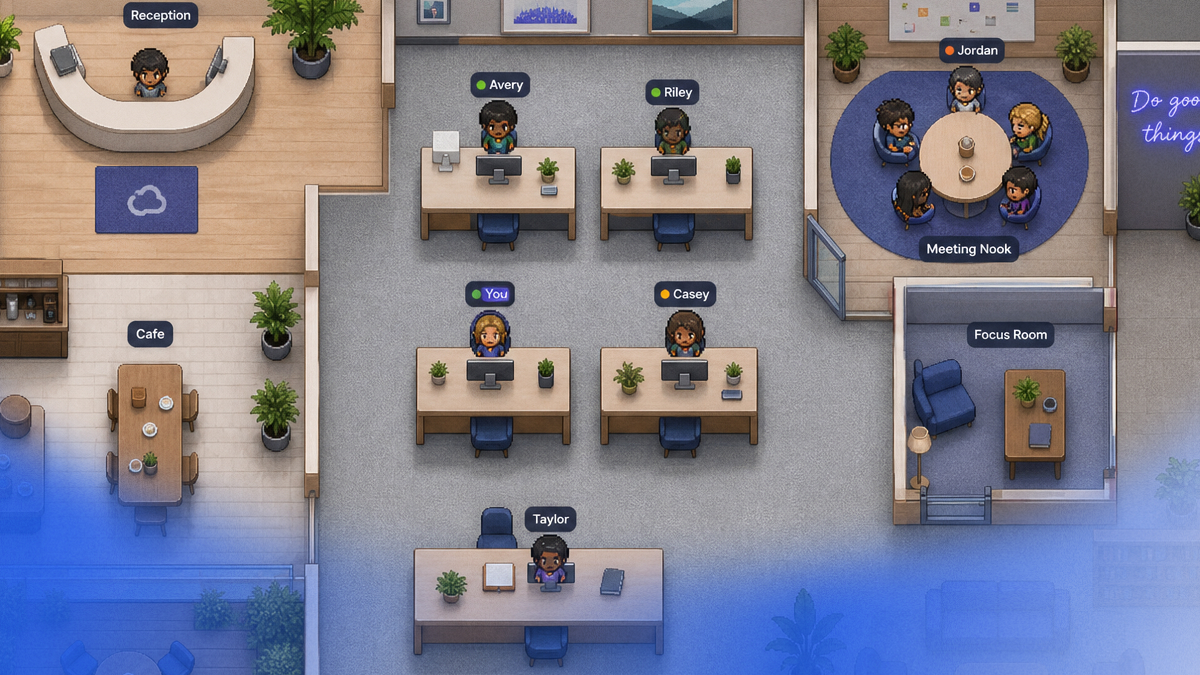
The integration of virtual icebreakers into daily workflows is significantly improved when combined with real-time visibility tools. Hurbly.ai provides a virtual office environment where team presence is visible at a glance, allowing users to see who is available for a quick chat. This transparency makes it easier to initiate virtual icebreakers spontaneously rather than waiting for a formal meeting. When you can see that a colleague is in a "focused" mode or currently "available," you can time your interactions to be respectful of their deep work while still fostering social bonds.
Using a platform like Hurbly.ai allows remote teams to replicate the physical office feel, where virtual icebreakers happen naturally during transitions between tasks. For example, seeing a teammate in a common digital area can prompt a quick "question of the day" or a brief check-in. This constant awareness of others reduces the friction of starting a conversation. By maintaining a steady flow of virtual icebreakers, teams avoid the awkwardness of silence and create a culture where communication is fluid and continuous, regardless of geographic distance.
Types of Virtual Icebreakers for Different Scenarios
Selecting the right type of activity is crucial for the success of your engagement strategy. Virtual icebreakers can range from simple verbal prompts to complex interactive games, depending on the time available and the team’s current energy levels. In 2026, the most effective teams use a mix of these categories to keep interactions fresh and engaging:
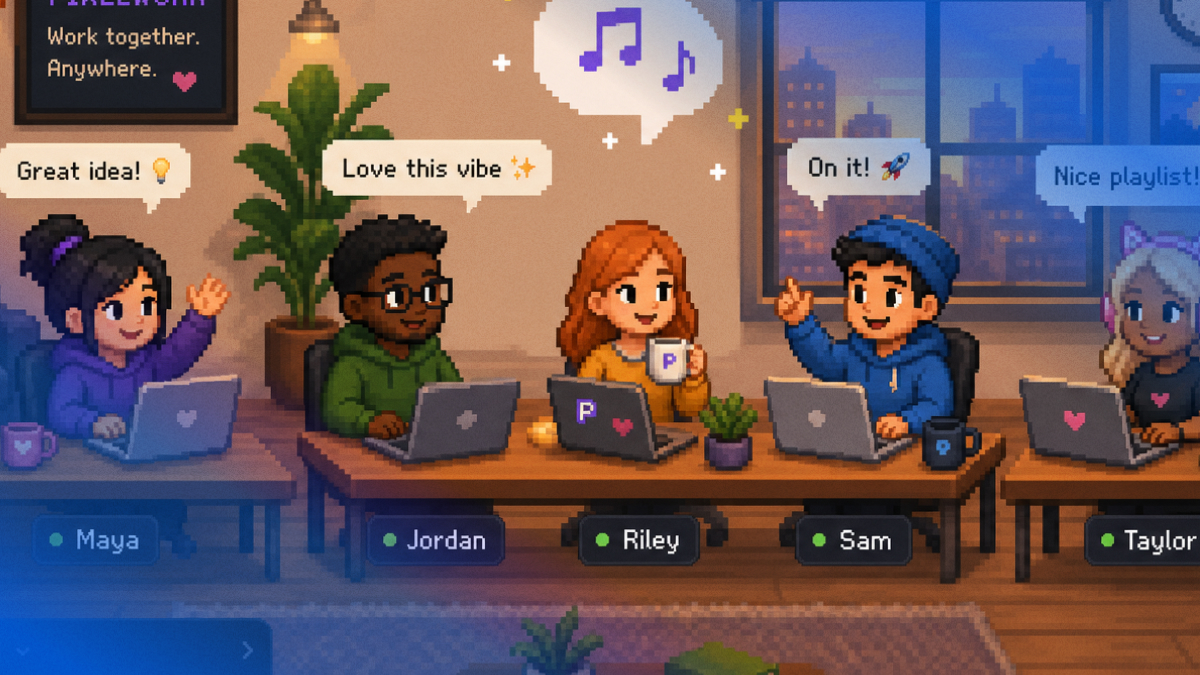
- Quick Pulse Checks: These are short virtual icebreakers where members share their current mood using an emoji or a single word. This helps managers gauge the team's emotional state instantly.
- Show and Tell: A more personal form of virtual icebreakers where participants show an object from their home office that has personal significance, fostering deeper connections.
- Problem-Solving Challenges: These virtual icebreakers involve small puzzles or riddles that require the group to work together, testing their collaborative skills in a low-stakes environment.
- Asynchronous Prompts: For teams across multiple time zones, virtual icebreakers can be posted in a shared channel for everyone to answer at their own pace, ensuring no one is excluded.
| Feature | Synchronous Virtual Icebreakers | Asynchronous Virtual Icebreakers |
|---|---|---|
| Best For | Real-time meetings and workshops | Distributed teams in different time zones |
| Engagement Level | High, immediate feedback | Moderate, allows for thoughtful replies |
| Time Required | 5 to 15 minutes | Ongoing throughout the day |
| Primary Benefit | Builds instant energy and rapport | Maintains steady connection over time |
Best Practices for Facilitating Virtual Icebreakers
To ensure that virtual icebreakers are productive and not perceived as a chore, facilitators should follow a few key principles. First, participation should always be encouraged but never forced; some team members may prefer to listen before they feel comfortable sharing. Second, keep the prompts inclusive and professional to avoid any potential discomfort. Effective virtual icebreakers focus on shared interests, work preferences, or lighthearted hypothetical scenarios that everyone can relate to.
Consistency is another vital factor. Rather than hosting one large event per year, integrating small virtual icebreakers into every meeting helps normalize social interaction. This approach builds a habit of engagement. Furthermore, rotating the role of the facilitator allows different team members to bring their unique personality to the virtual icebreakers, ensuring the activities remain diverse and representative of the whole group. When managed well, these sessions become a highlight of the workday rather than just another calendar invite.
Measuring the Impact of Virtual Icebreakers on Collaboration
The long-term value of virtual icebreakers can be seen in improved team metrics and employee satisfaction. When teams regularly engage in virtual icebreakers, they often report higher levels of trust and a greater willingness to share information. This is because the social foundation laid during these activities makes professional critiques and feedback feel less personal and more constructive. Organizations can track the success of their virtual icebreakers by monitoring participation rates and gathering feedback through anonymous surveys.
Furthermore, the use of virtual icebreakers helps in reducing meeting fatigue. By starting with a lighthearted interaction, the transition into complex technical topics becomes smoother. In the modern remote landscape of 2026, tools like Hurbly.ai complement these efforts by showing the real-time availability of colleagues, making it easy to follow up on a connection made during virtual icebreakers. Ultimately, the goal is to create a digital environment where every team member feels like a valued part of a community, leading to higher retention and better overall performance.