Essential Guide to Choosing a Virtual Networking Platform for Remote Teams in 2026

In this article

Essential Guide to Choosing a Virtual Networking Platform for Remote Teams in 2026
A Virtual networking platform serves as the digital foundation for modern distributed teams, replacing the physical infrastructure of a traditional office with real-time connectivity. In 2026, these environments have evolved beyond simple video conferencing to become persistent spaces where presence and availability are visible at a glance. By using a Virtual networking platform, organizations can reduce the friction of scheduling meetings, allowing for spontaneous interactions that mimic walking over to a colleague's desk. These tools are designed to bridge the gap between remote workers, ensuring that geographical distance does not hinder the organic flow of information or team cohesion.
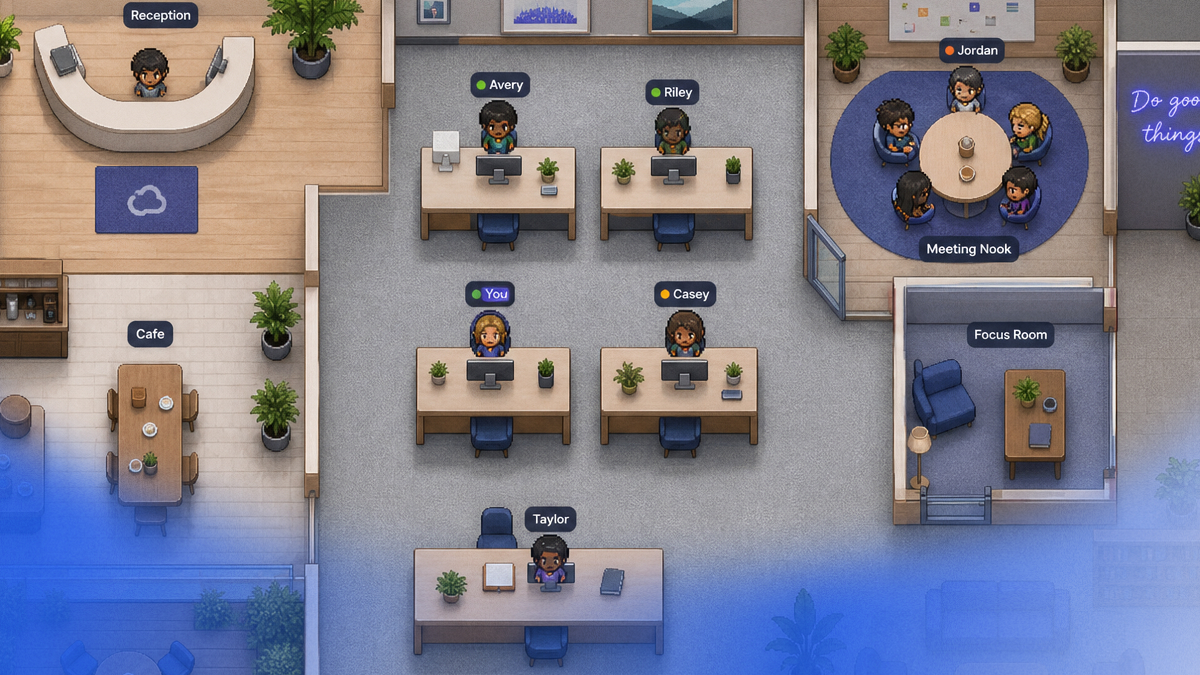
The core functionality of a professional Virtual networking platform involves real-time status indicators. These indicators inform the team whether a member is currently focused on a deep task, available for a quick chat, or engaged in a meeting. This level of transparency is critical for maintaining productivity, as it prevents unnecessary interruptions while encouraging collaboration when it is most convenient for all parties. Solutions like Hurbly.ai specialize in this area by providing a visual map of team presence, making it easier to manage a global workforce without relying on constant messaging pings or formal calendar invites.
How a Virtual Networking Platform Enhances Team Presence
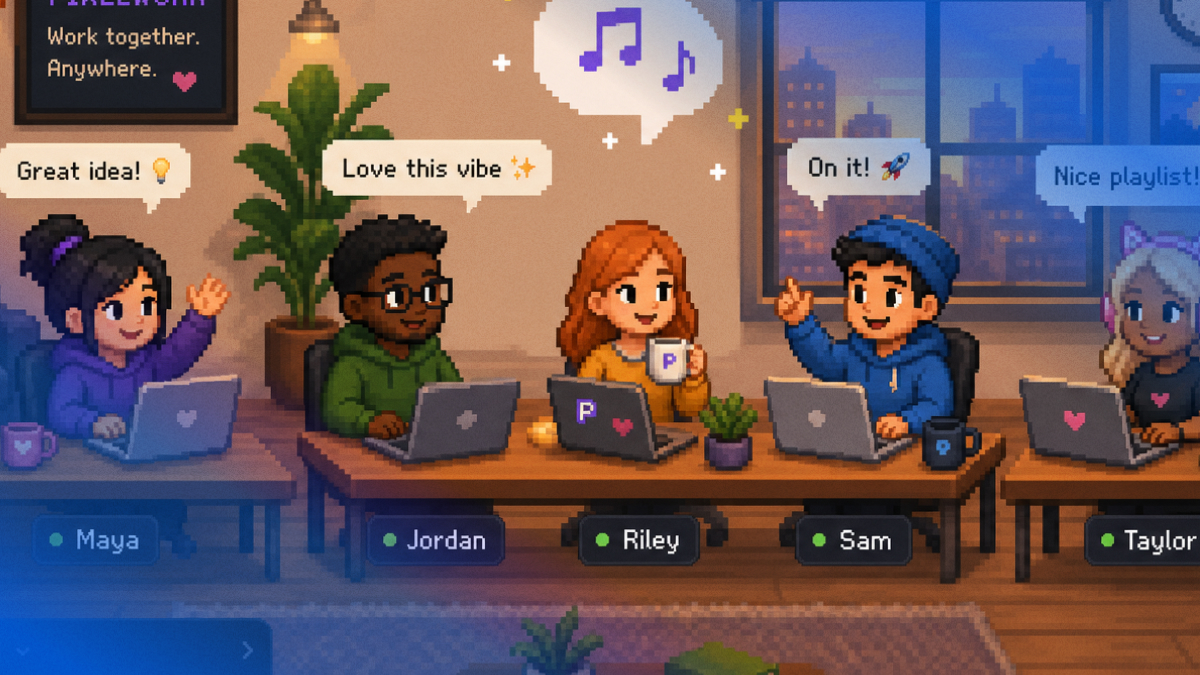
The primary goal of a Virtual networking platform is to recreate the social and professional "presence" found in physical workspaces. In a remote setting, employees often feel isolated or disconnected from the daily rhythm of the company. A high-quality Virtual networking platform addresses this by displaying live activity feeds and availability statuses. When a team member can see their peers working alongside them in a digital space, it fosters a sense of belonging and accountability. This visual representation of the office helps maintain a shared culture, even when the team is spread across different time zones.
Beyond simple visibility, a Virtual networking platform facilitates instant communication through integrated audio and video features. Instead of sending a link and waiting for a participant to join a room, users can often initiate a conversation with a single click. This immediacy is vital for creative brainstorming and rapid problem-solving. By integrating these features into a single Virtual networking platform, companies can eliminate the "toggle tax"—the loss of productivity that occurs when switching between multiple disconnected communication apps.
Key Features to Evaluate in a Virtual Networking Platform
When selecting the right Virtual networking platform for your organization, several technical and functional aspects must be considered to ensure long-term utility. The platform should offer a balance between constant connectivity and the need for individual focus.
| Feature Category | Description | Importance |
|---|---|---|
| Real-time Presence | Visual cues showing if a person is active, away, or in a meeting. | High - Essential for reducing communication friction. |
| Instant Audio/Video | The ability to start a voice or video call without pre-scheduling. | High - Replicates spontaneous office interactions. |
| Privacy Controls | Settings that allow users to hide their status or enter "Do Not Disturb" mode. | Medium - Prevents burnout and protects deep work. |
| Integration | Compatibility with existing calendars and task management tools. | Medium - Ensures the platform fits into the existing workflow. |
A robust Virtual networking platform also prioritizes user experience to ensure high adoption rates. If the interface is cluttered or the connection is unstable, team members will revert to traditional, less efficient communication methods. Therefore, the best Virtual networking platform options are those that remain lightweight and run in the background without consuming excessive system resources. Hurbly.ai focuses on this streamlined approach, providing a clear view of the digital office while staying out of the way of the user's actual work.
Steps to Implement a Virtual Networking Platform Successfully
Transitioning to a Virtual networking platform requires more than just a software installation; it requires a shift in team culture. To successfully integrate a Virtual networking platform into your daily operations, follow these steps:
- Define Communication Norms: Establish clear guidelines on what different status indicators mean. For example, a "Focus" status might mean "do not interrupt unless it is an emergency."
- Onboard the Entire Team: Ensure every member understands how to navigate the Virtual networking platform and use its features to signal their availability.
- Encourage Spontaneity: Leaders should lead by example, using the Virtual networking platform to check in briefly with team members rather than always relying on formal weekly syncs.
- Monitor and Adjust: Regularly gather feedback on how the Virtual networking platform is affecting productivity and social connection, then adjust your settings or norms accordingly.
By following this structured approach, the Virtual networking platform becomes a natural extension of the workspace. It helps in reducing "Zoom fatigue" because interactions are often shorter and more purposeful. As teams become more comfortable with a Virtual networking platform, they often find that the need for long, exhaustive meetings decreases, as most issues are resolved through quick, real-time huddles facilitated by the software.
Why Real-Time Visibility Matters for Distributed Organizations
In the context of 2026, the reliance on asynchronous communication alone has proven insufficient for high-velocity teams. A Virtual networking platform provides the synchronous layer needed for complex project coordination. When a manager can see that a specific department is currently in a "war room" meeting via their Virtual networking platform, they gain immediate context without having to ask for an update. This transparency reduces the administrative burden on employees and allows leadership to stay informed about the pulse of the organization in real-time.
Furthermore, a Virtual networking platform acts as a social hub. For freelancers and remote contractors, the platform serves as the only point of contact with their colleagues. By utilizing a Virtual networking platform, these individuals can participate in the "water cooler" moments that happen naturally in a physical building. Hurbly.ai leverages this by creating an environment where team presence is felt, helping to mitigate the loneliness often associated with remote work while driving collective efficiency through a unified Virtual networking platform.