Enhancing Remote Collaboration for Virtual Office Workers in 2026

In this article

Enhancing Remote Collaboration for Virtual Office Workers in 2026
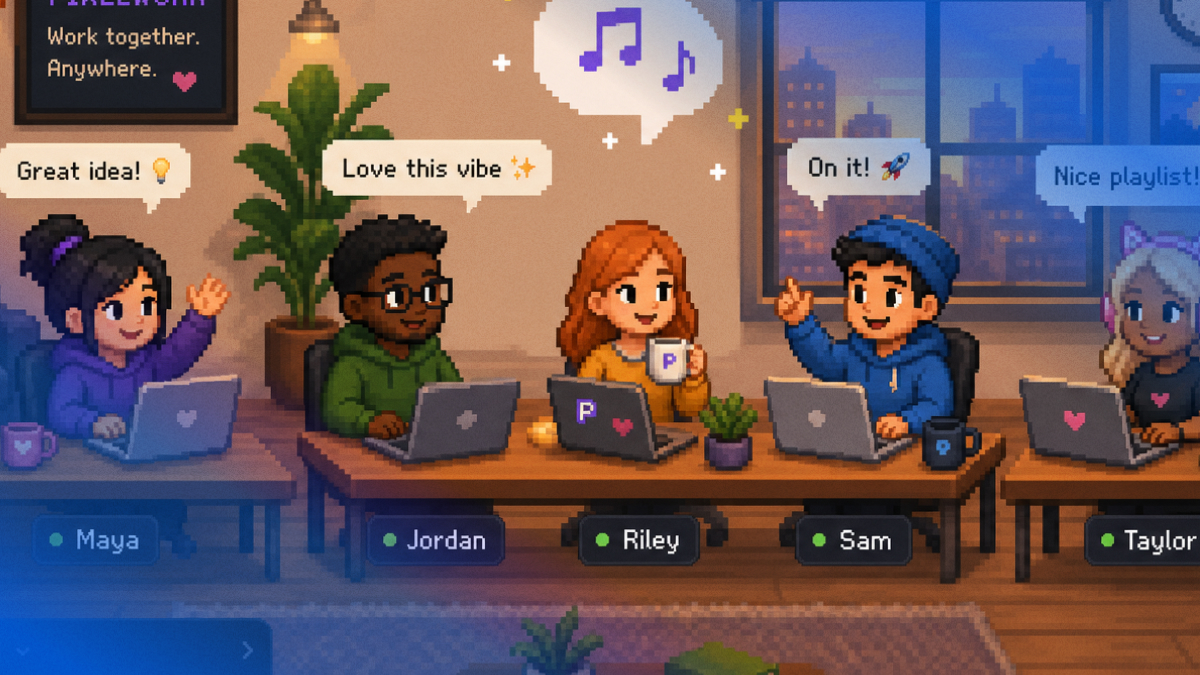
The landscape of remote work has evolved significantly, requiring more than just basic chat tools to maintain team cohesion. For modern virtual office workers, the primary challenge is no longer just connectivity, but the loss of spontaneous interaction and situational awareness found in physical spaces. Digital environments must now provide a sense of presence that allows team members to understand who is available, who is busy, and who is open for a quick chat without the burden of formal scheduling.
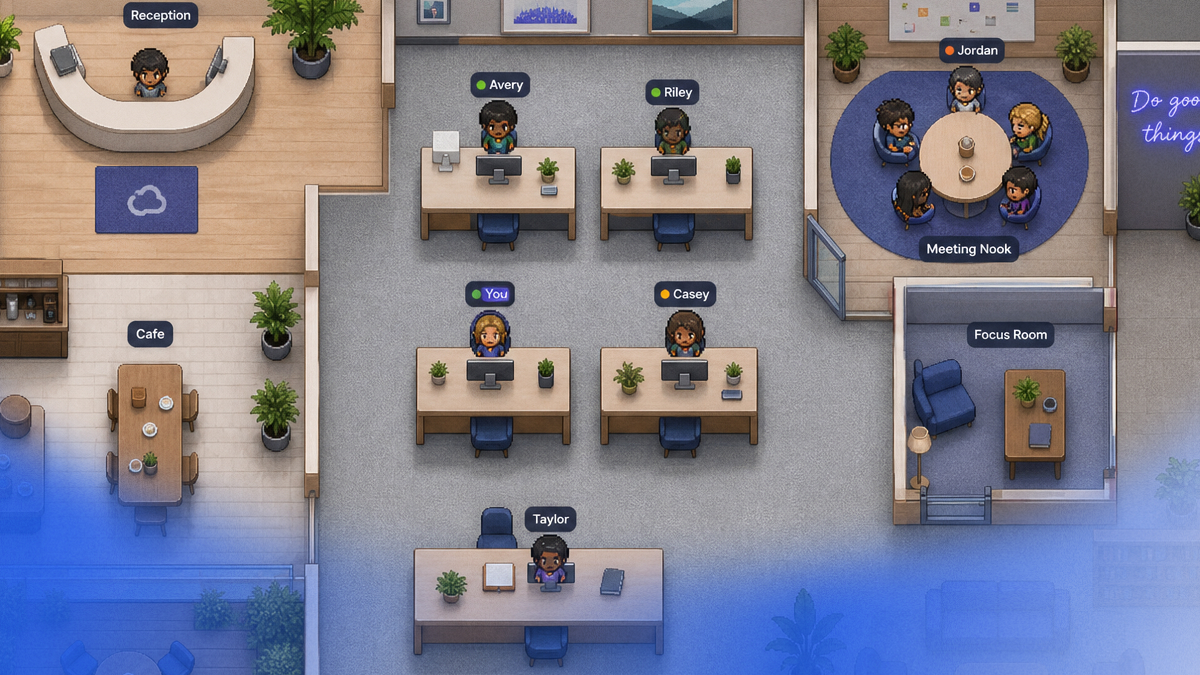
Platforms like Hurbly.ai address these needs by creating a persistent digital layer for teams. This technology allows virtual office workers to see their colleagues in real-time, effectively replicating the visual cues of a shared office. By knowing exactly when a teammate is focused or in a meeting, employees can choose the right moment to reach out, reducing the constant interruptions that often plague remote environments.
How Presence Technology Supports Virtual Office Workers
Real-time presence technology operates by syncing the status of all team members across a unified dashboard. For virtual office workers, this means they no longer have to guess if a colleague is at their desk or away for a break. The system monitors activity levels and calendar integrations to display a clear status indicator, such as "Available," "Deep Work," or "In a Meeting."
This visibility is crucial because it facilitates "micro-interactions"—those brief, unplanned conversations that spark innovation. When virtual office workers can see that a peer is free, they can initiate a quick voice or video call instantly. This mimics the experience of walking over to a coworker’s desk, removing the friction of sending a message to ask if someone is "free to talk" and waiting for a reply.
Benefits of Real-Time Visibility for Distributed Teams
The implementation of a virtual office environment provides several structural advantages for distributed organizations. By using tools designed for virtual office workers, companies can bridge the gap between different time zones and locations. The transparency provided by these platforms ensures that everyone stays informed about the team's pulse without needing constant status update meetings.
| Feature | Impact on Virtual Office Workers |
|---|---|
| Real-time Status | Reduces "pinging" and unnecessary interruptions. |
| Instant Audio/Video | Facilitates quick problem-solving and brainstorming. |
| Visual Map of Team | Increases the sense of belonging and team unity. |
| Focus Mode | Protects the productivity of virtual office workers during deep tasks. |
Beyond simple communication, these tools help in reducing the isolation often felt by those working from home. When virtual office workers see their team active on a shared platform, it reinforces the collective goal and maintains a high level of engagement. Hurbly.ai specifically focuses on this psychological aspect of work, ensuring that the digital workspace feels populated and energetic.
Streamlining Communication Workflows
To optimize productivity, virtual office workers need to minimize the "context switching" that occurs when moving between multiple disconnected apps. A centralized presence platform simplifies this by serving as the primary hub for interaction. Instead of navigating through complex menus, virtual office workers can interact with the interface to signal their current capacity for collaboration.
- Status Syncing: The platform automatically updates based on user activity or manual selection.
- Visual Cues: Colleagues view the status and decide on the best communication method.
- Spontaneous Engagement: A single click starts a conversation, bypassing the need for meeting links.
- Feedback Loop: Virtual office workers provide feedback on their availability, further refining the team's workflow.
This streamlined process is especially relevant in 2026, where the speed of information exchange determines project success. For virtual office workers, having a tool that prioritizes immediate, low-friction communication means that bottlenecks are identified and resolved much faster than through traditional email or asynchronous messaging.
Why Virtual Office Workers Prefer Presence-Based Tools
The shift toward presence-based platforms is driven by the need for a more human-centric digital experience. Many virtual office workers find that traditional video conferencing tools are too formal for quick questions. By utilizing a platform like Hurbly.ai, these professionals can maintain a professional yet accessible profile.
Furthermore, the data transparency offered by these systems helps managers support their teams more effectively. By observing the work patterns of virtual office workers, leadership can identify potential burnout or uneven workloads without micromanaging. This creates a culture of trust and autonomy, where virtual office workers feel empowered to manage their own time while remaining visible and accountable to their peers.
Ultimately, the goal is to create a seamless transition between individual tasks and collaborative efforts. As virtual office workers continue to define the future of the global economy, the tools they use must evolve to support high-performance, distributed collaboration that feels as natural as being in the same room.