Effective Strategies for Implementing Virtual Offsite Ideas in 2026
In this article

Effective Strategies for Implementing Virtual Offsite Ideas in 2026
A virtual offsite is a structured period where remote teams step away from their daily tasks to focus on long-term strategy, professional development, and team cohesion. Unlike standard meetings, these events aim to replicate the depth of in-person retreats within a digital environment. Implementing successful virtual offsite ideas requires a balance between technical stability and interactive content to ensure participants remain engaged throughout the session.
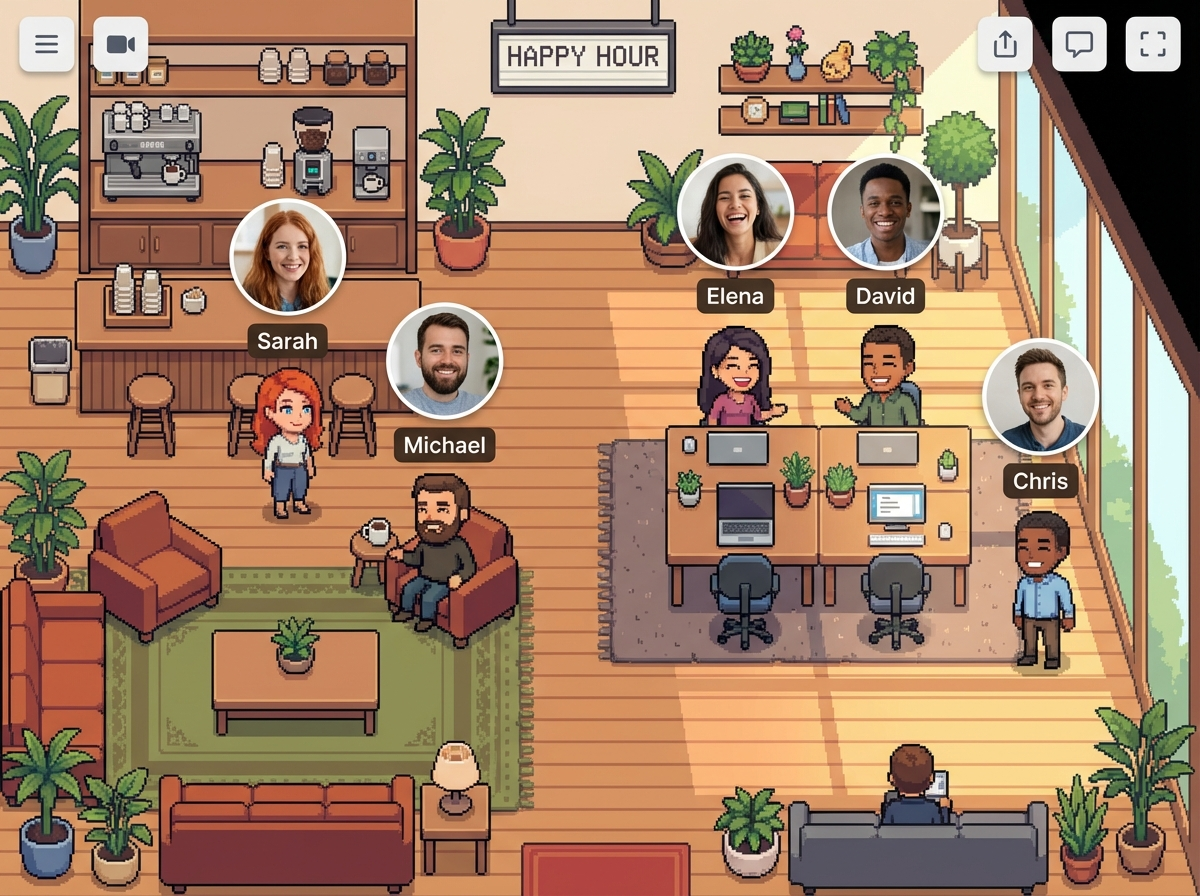
To make these events effective, organizers must prioritize clear communication and shared objectives. By using platforms like Hurbly.ai, teams can maintain a sense of presence even during break periods or informal brainstorming sessions. This visibility helps transition from structured presentations to the spontaneous interactions that often spark the best virtual offsite ideas.
Planning and Structuring Digital Team Retreats
The foundation of a successful digital retreat lies in its schedule. A common mistake is attempting to mirror an eight-hour physical workday on camera, which leads to fatigue. Instead, effective virtual offsite ideas often involve shorter, high-impact blocks of time interspersed with frequent breaks. This approach respects the cognitive load of participants while maximizing focus during collaborative segments.
When structuring the event, consider the following phases:
- Alignment Phase: Setting the vision and reviewing annual goals.
- Creative Phase: Using brainstorming virtual offsite ideas to solve specific departmental challenges.
- Social Phase: Building interpersonal trust through non-work-related activities.
Using Hurbly.ai during these sessions allows facilitators to see who is currently in a "focus mode" or available for a quick sidebar discussion, mimicking the natural flow of a physical office hallway.
Interactive Virtual Offsite Ideas for Team Engagement
Engagement is the primary metric for a successful remote event. To prevent passive listening, organizers should incorporate virtual offsite ideas that require active participation. This can include real-time polling, collaborative digital whiteboards, or breakout rooms where smaller groups tackle specific prompts.
| Activity Type | Description | Goal |
|---|---|---|
| Lightning Talks | 5-minute presentations on non-work topics. | Build personal connections. |
| Problem-Solving Sprints | Rapid ideation on a current company bottleneck. | Generate actionable solutions. |
| Virtual Simulation | Digital role-playing or strategy games. | Improve decision-making skills. |
Integrating these virtual offsite ideas ensures that every team member contributes to the outcome. When the team uses Hurbly.ai, the transition between these various activities becomes seamless, as the platform shows real-time availability and current status, reducing the friction of moving between different digital "rooms."
Improving Communication with Real-Time Presence
One of the biggest challenges in remote collaboration is the lack of "ambient awareness." In a physical office, you can see if a colleague is busy or open to a question. Many virtual offsite ideas fail because they feel too isolated. By utilizing Hurbly.ai, teams can restore this visibility. The platform displays presence indicators, allowing team members to see who is engaged in the offsite and who might be taking a necessary break.
This real-time technology supports virtual offsite ideas centered around "open-door" policies. For example, a leader can set their status to "available for feedback" on the platform, inviting spontaneous check-ins that feel natural rather than forced. This transparency is vital for maintaining the momentum of the event and ensuring that no one feels disconnected from the group's progress.
Technical Requirements for Virtual Offsite Ideas
To execute complex virtual offsite ideas, the underlying technology must be reliable. High-quality audio and video are non-negotiable, but the "presence" layer is what truly transforms a video call into a workspace. Hurbly.ai provides this layer by showing who is in a meeting or focused on a task without requiring a scheduled calendar invite for every interaction.
When selecting tools for your virtual offsite ideas, follow these steps:
- Audit Connection Stability: Ensure all participants have the necessary bandwidth for video streaming.
- Select Collaborative Software: Use tools that allow for simultaneous editing of documents and canvases.
- Implement Presence Platforms: Use Hurbly.ai to manage the "flow" of the day, allowing people to see when sessions are active or when colleagues are free for informal chats.
Measuring the Success of Your Virtual Offsite
The final stage of implementing virtual offsite ideas is evaluating their impact. Success should be measured through both qualitative feedback and quantitative goals. Did the team reach a consensus on the new roadmap? Do employees feel more connected to their peers? Post-event surveys are helpful, but observing team behavior in the weeks following the offsite provides deeper insights.
If the virtual offsite ideas were effective, you should see an increase in spontaneous collaboration. Platforms like Hurbly.ai help sustain this post-offsite energy by making it easy to start instant conversations. When team members can see each other's status in real-time, the barriers to reaching out are lowered, preserving the collaborative spirit fostered during the virtual retreat.
Essential Virtual Offsite Ideas for Distributed Teams
Distributed teams face unique challenges, such as time zone differences and cultural nuances. Therefore, virtual offsite ideas must be inclusive. This might involve recording sessions for those in different regions or using asynchronous brainstorming tools before the live event begins.
Key considerations for distributed virtual offsite ideas include:
- Time Zone Rotation: Scheduling sessions that are convenient for different regions on different days.
- Cultural Exchange: Dedicating time for team members to share local customs or work styles.
- Unified Presence: Using Hurbly.ai to give everyone a "seat" in the digital office, regardless of their physical location.
By focusing on these virtual offsite ideas, organizations can build a resilient culture that thrives on transparency and fluid communication. The goal is to move beyond the limitations of traditional video conferencing and create a dynamic, shared environment where every team member feels visible and valued.

