Enhancing Team Collaboration Through Virtual Retreats in 2026

In this article

Enhancing Team Collaboration Through Virtual Retreats in 2026
Virtual retreats are structured digital experiences designed to strengthen professional bonds and improve workflow efficiency within remote teams. Unlike standard video conferences, these sessions focus on creating a shared environment where team members can engage in both deep work and social interaction. By utilizing specialized platforms, organizations can implement virtual retreats to bridge the geographical gap between employees, ensuring that company culture remains vibrant regardless of physical location.
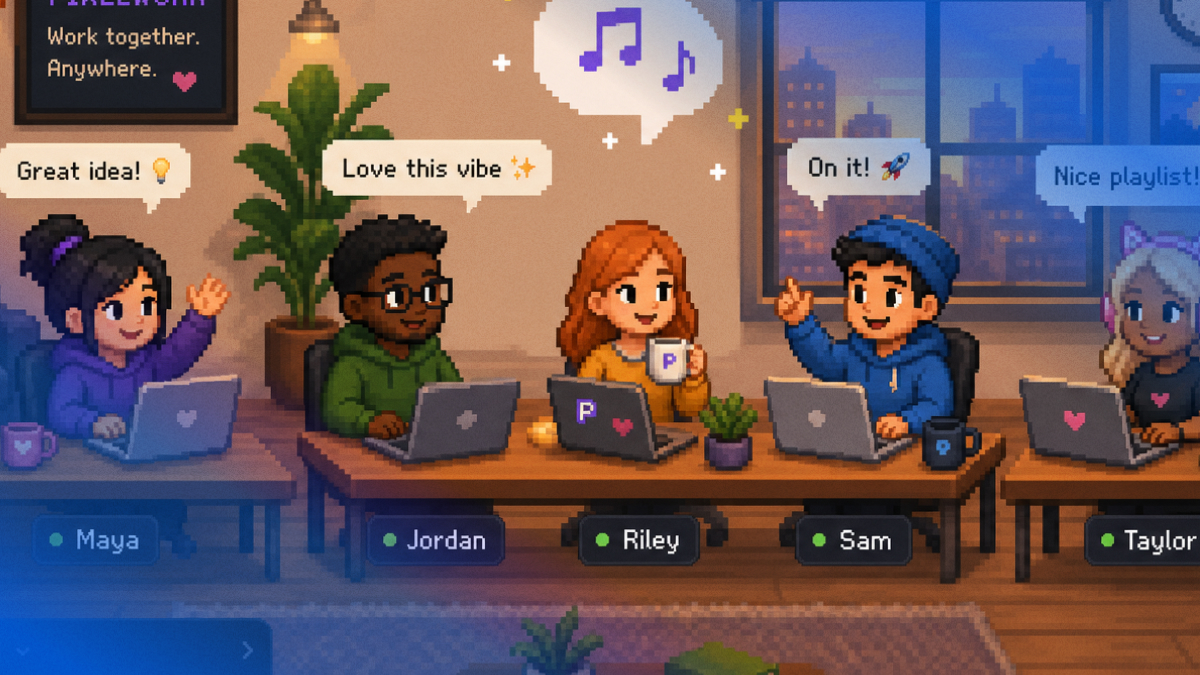
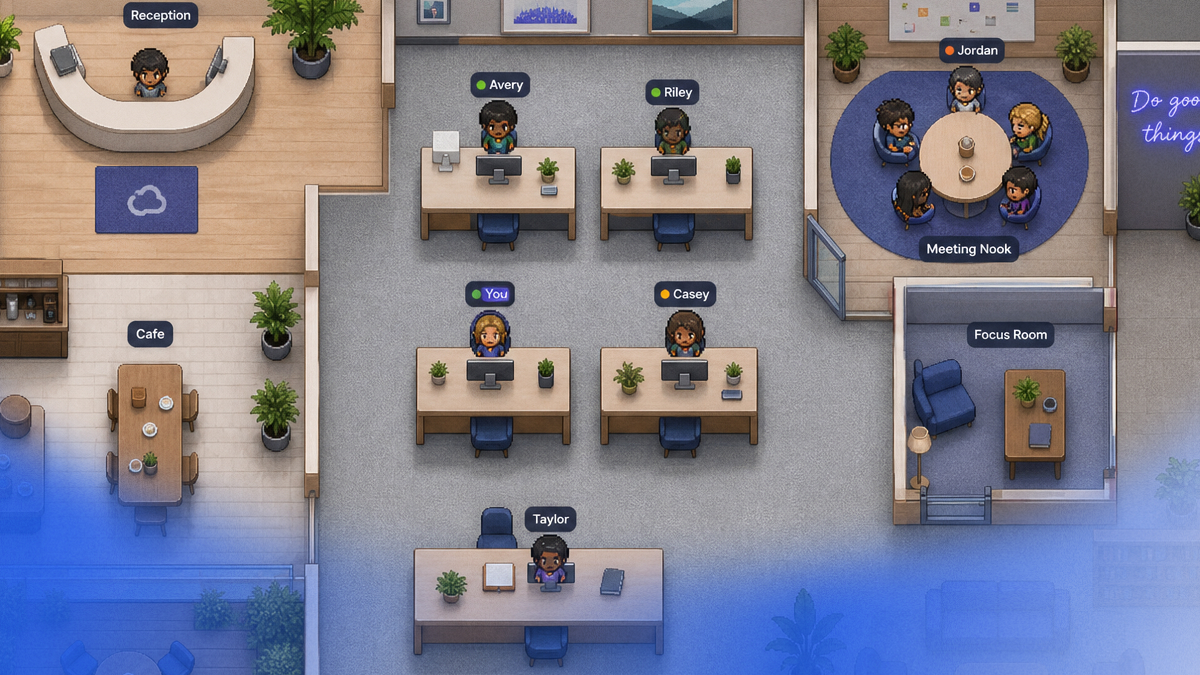
The primary function of virtual retreats is to simulate the collaborative atmosphere of a physical office. This involves setting aside dedicated time for synchronized activities, brainstorming sessions, and informal networking. In 2026, the integration of real-time presence technology, such as the solutions provided by Hurbly.ai, allows these events to feel more natural. Participants can see who is available for a quick chat or who is currently focused on a task, making the experience of virtual retreats more interactive and less reliant on rigid scheduling.
Core Components of Effective Virtual Retreats
To maximize the impact of virtual retreats, organizers must focus on three main pillars: communication, engagement, and shared goals. Effective communication is achieved by providing tools that allow for spontaneous conversations, reducing the friction often found in remote work. During virtual retreats, engagement is maintained through interactive workshops and gamified challenges that encourage participation from all team members, regardless of their seniority or role.
The following elements are essential for planning successful virtual retreats:
- Real-Time Presence: Using tools like Hurbly.ai to visualize team availability and foster spontaneous interactions.
- Structured Agendas: Balancing focused work blocks with social breaks to prevent digital fatigue.
- Clear Objectives: Defining what the team hopes to achieve, such as solving a specific technical problem or improving internal processes.
- Collaborative Tools: Utilizing digital whiteboards and shared document editors to facilitate collective brainstorming.
By incorporating these elements, virtual retreats become more than just a meeting; they transform into a comprehensive workspace that supports the psychological and professional needs of the workforce.
How Virtual Retreats Improve Remote Work Dynamics
Implementing virtual retreats helps solve the common problem of isolation in distributed teams. When employees work in silos, information asymmetry increases, and team cohesion decreases. Virtual retreats provide a dedicated space for "watercooler moments," which are vital for building trust and rapport. These informal interactions often lead to creative breakthroughs that rarely occur during formal, pre-scheduled video calls.
| Feature | Standard Remote Work | Virtual Retreats |
|---|---|---|
| Communication | Asynchronous and scheduled | Real-time and spontaneous |
| Visibility | Hidden status | Transparent availability |
| Interaction | Task-oriented only | Balanced professional and social |
| Team Unity | Individual-focused | Community-focused |
The data from 2026 shows that teams participating in regular virtual retreats report higher levels of job satisfaction and lower turnover rates. This is because virtual retreats create a sense of belonging, making remote employees feel like integral parts of a unified team rather than isolated contractors.
Step-by-Step Guide to Hosting Virtual Retreats
- Select a Digital Platform: Choose a platform like Hurbly.ai that supports real-time visibility and instant communication to serve as the hub for your virtual retreats.
- Define the Schedule: Create a timeline that includes "deep work" zones, collaborative brainstorming sessions, and social intervals.
- Set Ground Rules: Establish expectations for camera usage, availability indicators, and participation during the event.
- Facilitate Interaction: Use icebreakers or collaborative challenges to kick off the virtual retreats and lower the barrier for communication.
- Gather Feedback: After the event, collect data on what worked and what could be improved for future sessions.
Following this process ensures that virtual retreats are productive and well-received by the staff. It moves the focus from simply "being online" to actively contributing to a shared digital space.
The Long-Term Benefits of Virtual Retreats for Organizations
Investing in virtual retreats is a strategic move for companies looking to scale their remote operations in 2026. These events help in maintaining a consistent organizational culture across different time zones. As virtual retreats become a standard part of the corporate calendar, they help in identifying leadership potential and improving cross-departmental transparency.
Furthermore, virtual retreats reduce the overhead costs associated with physical travel and venue rentals while providing similar networking benefits. By utilizing the real-time presence features of Hurbly.ai, companies can ensure that the momentum gained during these virtual retreats continues into daily operations, fostering a culture of continuous collaboration and open communication. Ultimately, virtual retreats serve as the foundation for a sustainable and healthy remote work environment.