Enhancing Remote Team Presence and Virtual Social Events in 2026
In this article

Enhancing Remote Team Presence and Virtual Social Events in 2026
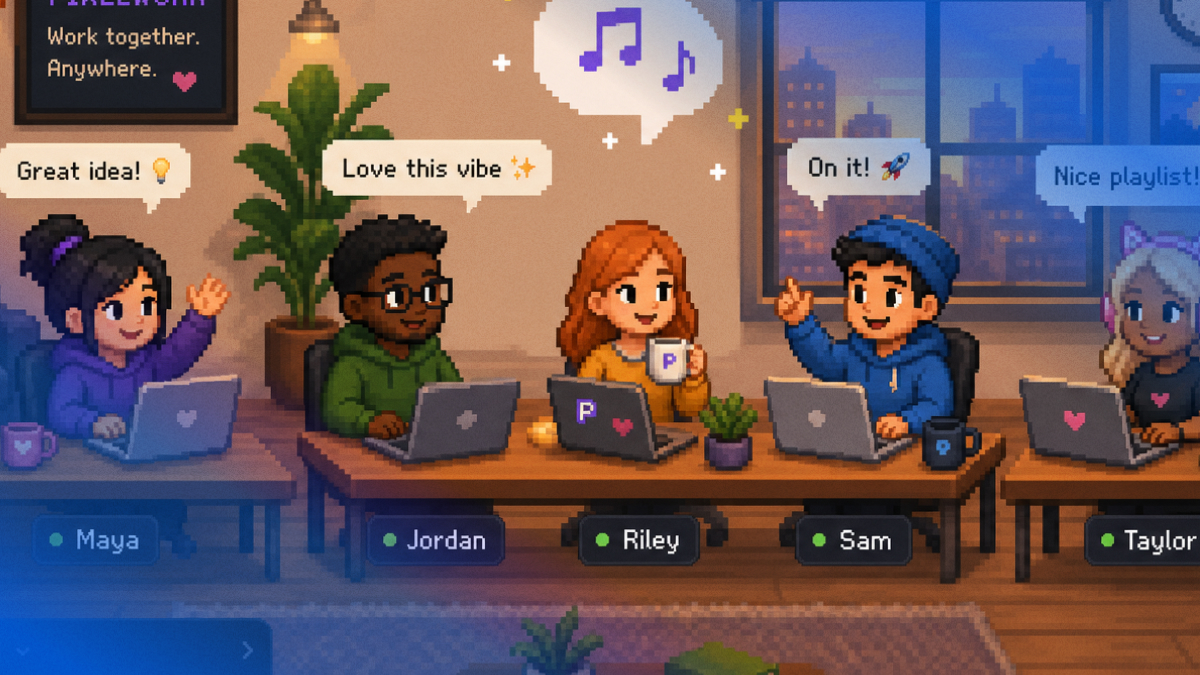
In the current landscape of 2026, remote and distributed teams require more than just messaging apps to maintain a cohesive culture. Digital workspaces have evolved to provide real-time visibility, allowing colleagues to see who is available, focused, or in a meeting. This transparency is essential for planning virtual social events that do not disrupt the workflow. By utilizing platforms like Hurbly.ai, organizations can recreate the spontaneous nature of a physical office, making it easier to transition from deep work to collaborative virtual social events.
Real-time presence technology reduces the friction often associated with remote communication. Instead of sending a message to ask if someone is free, users can see live status indicators. This clarity helps teams decide the best moments to initiate virtual social events or quick catch-ups. When team members feel seen and connected, the frequency of organic interactions increases, strengthening the social fabric of the digital workplace.
How Presence Indicators Support Team Interaction
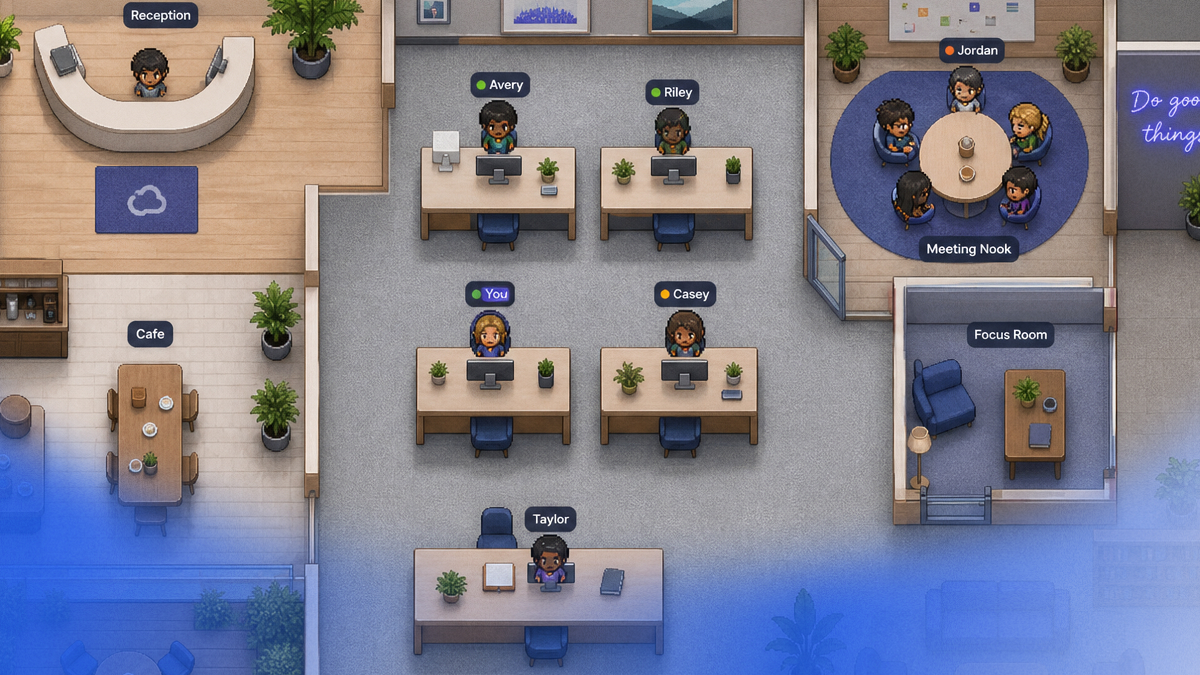
Modern virtual offices function by displaying the current state of every team member on a centralized dashboard. This system uses real-time data to show if a person is in a "Deep Work" mode or open for a chat. For teams that prioritize engagement, these indicators are the foundation for hosting successful virtual social events. Knowing exactly when the majority of the team is available allows leaders to trigger spontaneous virtual social events that feel natural rather than forced.
The platform provided by Hurbly.ai focuses on these immediate interactions. By removing the need for scheduled links and calendar invites for every small conversation, the environment becomes more fluid. This fluidity is particularly beneficial for recurring virtual social events, where the goal is to build rapport and reduce the isolation often felt by remote freelancers and distributed staff.
Practical Benefits of Virtual Social Events for Distributed Teams
Social isolation is a significant challenge in remote work environments. Implementing regular virtual social events helps mitigate this by providing a dedicated space for non-task-related communication. These events allow employees to share experiences and build trust, which directly impacts productivity and retention. When virtual social events are integrated into the daily toolset, they become a core part of the professional experience rather than an afterthought.
- Increased Trust: Frequent virtual social events allow team members to get to know each other's personalities, leading to better collaboration on complex projects.
- Reduced Meeting Fatigue: By using Hurbly.ai for informal interactions, teams can reserve formal video calls for critical tasks, using virtual social events for culture building.
- Improved Onboarding: New hires can integrate faster by participating in low-pressure virtual social events where they can observe team dynamics in real-time.
Comparing Formal Meetings and Virtual Social Events
Understanding the difference between structured meetings and casual interactions is vital for team health. While meetings focus on specific outputs, virtual social events focus on the human element of the workplace. The following table illustrates how these two types of interactions function within a digital office setting.
| Feature | Formal Remote Meetings | Virtual Social Events |
|---|---|---|
| Primary Objective | Task completion and updates | Team bonding and morale |
| Scheduling | Planned days or weeks in advance | Often spontaneous or recurring |
| Atmosphere | Structured and professional | Relaxed and informal |
| Platform Usage | Heavy reliance on screen sharing | Focus on presence via Hurbly.ai |
| Participation | Usually mandatory | Often voluntary and community-driven |
Strategies for Organizing Effective Virtual Social Events
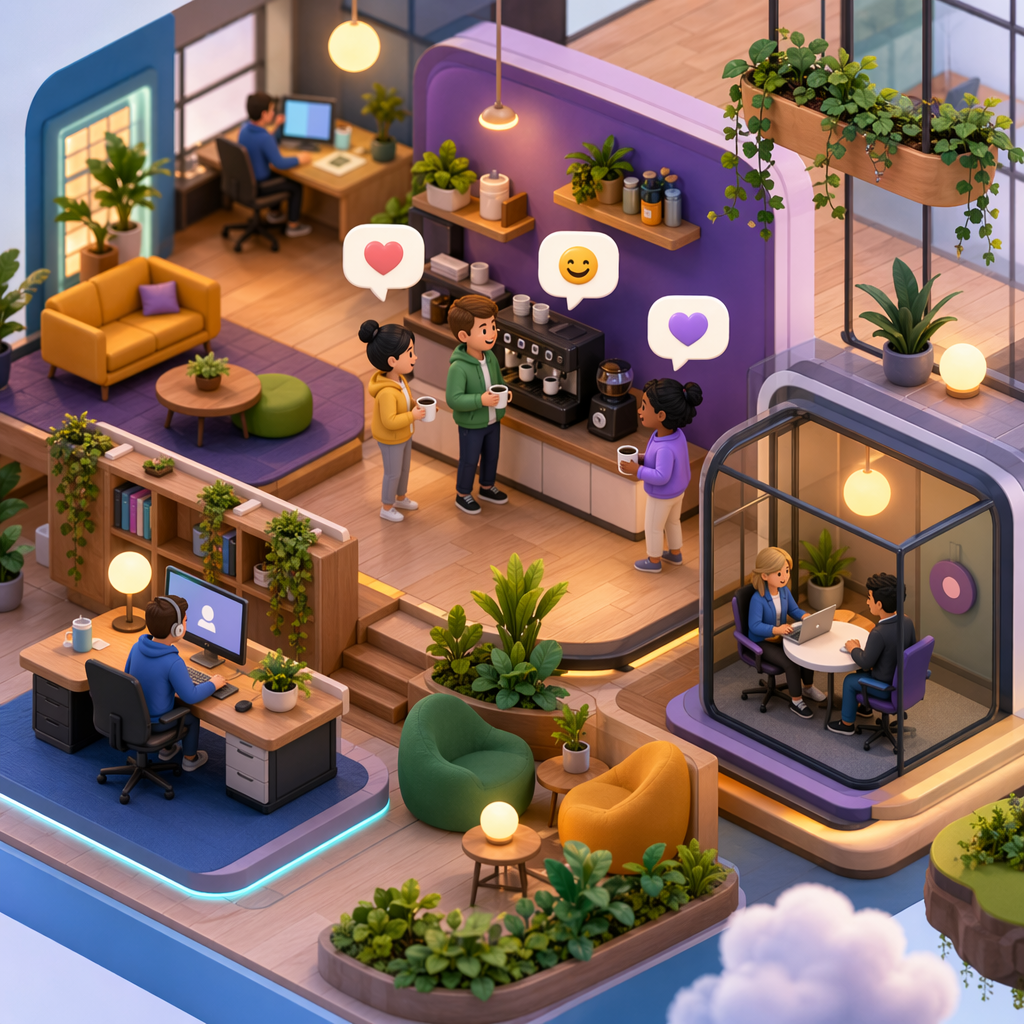
To ensure that virtual social events remain engaging, it is important to vary their format. In 2026, the most successful teams use a mix of activities to cater to different personality types. Some may prefer high-energy games, while others might enjoy a quiet "coffee break" room where they can work alongside others. Using Hurbly.ai helps organizers see which rooms are currently active, making it easy to join ongoing virtual social events without feeling like an intruder.
Consistency is another key factor. Setting aside a specific time each week for virtual social events creates a routine that employees can look forward to. This regularity helps in maintaining a sense of belonging, especially for teams spread across multiple time zones. When virtual social events are a visible part of the digital office, they serve as a constant reminder that the team is more than just a list of names on a task manager.
The Role of Technology in Remote Culture
The technology used by a team dictates the quality of their interactions. Tools that focus on presence and availability, such as Hurbly.ai, provide the necessary infrastructure for a healthy remote culture. By making it clear who is around, these platforms lower the barrier to starting virtual social events. This accessibility is what separates a high-performing remote team from one that struggles with communication silos.
As we move further into 2026, the emphasis on "human-centric" digital tools continues to grow. These tools ensure that virtual social events are not just another item on a checklist but a meaningful part of the workday. By prioritizing visibility and spontaneous engagement, companies can ensure their remote workers remain motivated, connected, and productive through well-timed virtual social events.