Understanding the Role of a Virtual Stage in Remote Collaboration

In this article

Understanding the Role of a Virtual Stage in Remote Collaboration
A virtual stage serves as a digital environment designed to replicate the visual and social dynamics of a physical workspace. Unlike traditional video conferencing tools that require pre-scheduled links, a virtual stage provides a persistent space where team members can see each other's status in real-time. This technology is essential for distributed teams in 2026, as it bridges the gap between physical distance and the need for immediate, fluid communication.
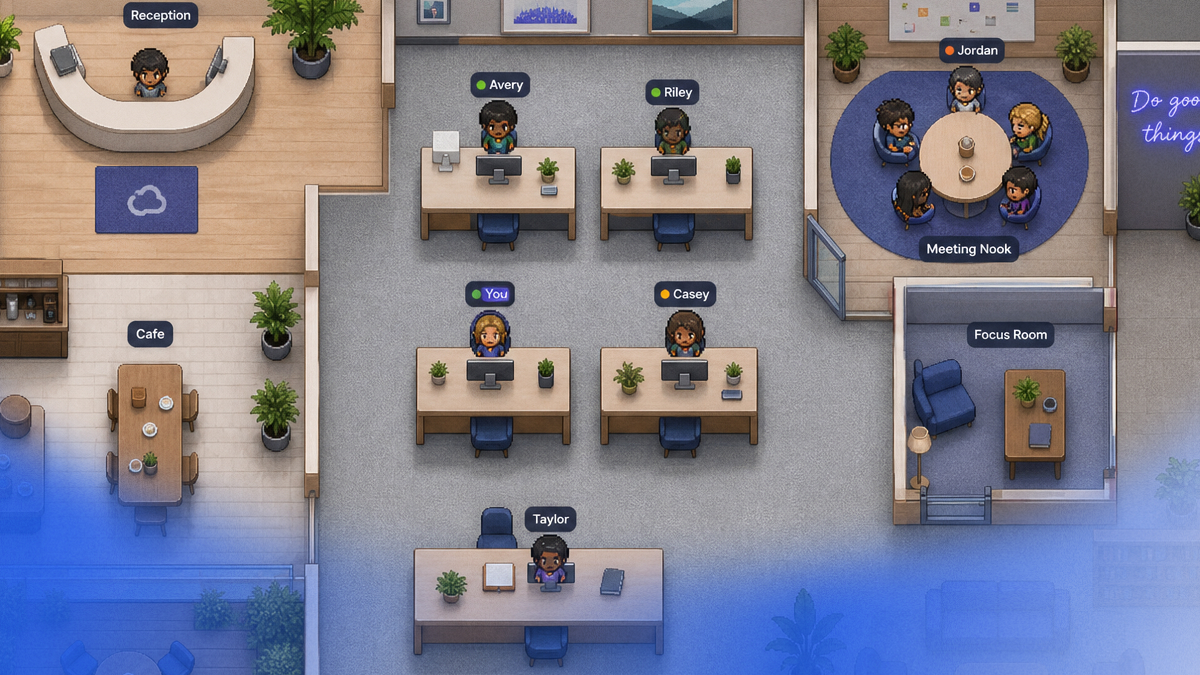
The primary function of a virtual stage is to offer transparency regarding availability. When a team member enters the virtual stage, their presence is immediately visible to others. This visibility allows colleagues to determine if someone is deeply focused on a task, participating in a meeting, or available for a quick chat. By using a virtual stage, organizations can reduce the cognitive load of checking multiple calendars or sending "Are you there?" messages across various chat platforms.
How a Virtual Stage Enhances Team Presence and Workflow
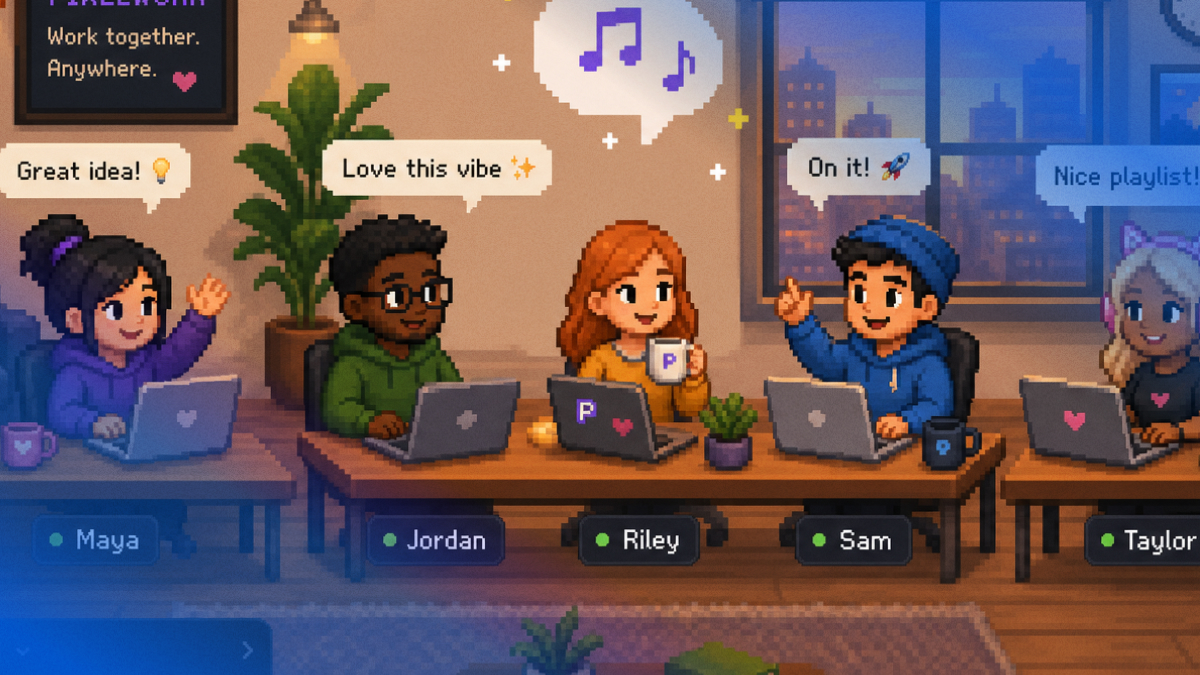
Implementing a virtual stage into daily operations changes how teams interact by prioritizing spontaneous engagement. In a standard remote setup, communication often becomes transactional and rigid. However, a virtual stage encourages "watercooler moments" where ideas are exchanged naturally. This is achieved through presence indicators that signal when a user is active within the shared digital area.
The technical framework of a virtual stage relies on real-time data synchronization. When you move your avatar or change your status within the virtual stage, every other connected user sees that update instantly. This creates a shared sense of place. For those looking to optimize these interactions, Hurbly.ai offers a sophisticated platform that integrates these presence features directly into the workflow, ensuring that the virtual stage remains a functional part of the business day rather than a distraction.
Key Components of an Effective Virtual Stage
To be effective, a virtual stage must include several core features that support both individual focus and group collaboration. These components ensure that the digital environment remains organized and useful for all participants.
- Real-Time Status Indicators: Visual cues that show if a person is "in the zone," "available," or "away."
- Spatial Awareness: The ability to see where colleagues are located within the virtual stage relative to different projects or departments.
- Instant Audio/Video Zones: Areas within the virtual stage where users can start talking immediately upon "entering" a specific proximity.
- Low-Friction Access: The virtual stage should be easily accessible via a browser or desktop app without complex login hurdles for every interaction.
Comparing Traditional Meetings with Virtual Stage Interactions
The shift toward using a virtual stage represents a move away from the "meeting culture" that often plagues remote work. The following table illustrates the differences between standard video calls and interactions within a virtual stage.
| Feature | Traditional Video Calls | Virtual Stage Interaction |
|---|---|---|
| Scheduling | Requires calendar invites and links | Spontaneous and instant |
| Visibility | Hidden until the call starts | Always visible when online |
| Context | Often lacks situational awareness | High context regarding team activity |
| Duration | Usually fixed (30-60 mins) | Brief, as-needed conversations |
| Atmosphere | Formal and structured | Casual and collaborative |
By utilizing a virtual stage, teams can handle 5-minute queries that would otherwise take up a 30-minute slot on a calendar. This efficiency is why the virtual stage has become a cornerstone of modern digital infrastructure.
Why the Virtual Stage is Essential for 2026 Remote Teams
As of 2026, the global workforce has moved beyond simple messaging apps. The virtual stage is now a critical tool for maintaining company culture and operational speed. It prevents the isolation often felt by remote workers by providing a constant visual reminder that they are part of a larger collective. When a manager looks at the virtual stage, they can see the pulse of the office without micromanaging or interrupting deep work.
Furthermore, a virtual stage facilitates better onboarding for new employees. Instead of being lost in a sea of documents, a new hire can enter the virtual stage and observe how the team interacts. They can see who works with whom and identify the right people to approach for specific questions. Platforms like Hurbly.ai specialize in creating this sense of belonging through their intuitive virtual stage interface, making remote transitions seamless for growing companies.
Best Practices for Managing a Virtual Stage Environment
To maximize the benefits of a virtual stage, teams should establish clear norms for its use. While the technology enables constant connection, it must be used respectfully to protect productivity.
- Define Status Meanings: Ensure everyone knows that a "Focused" status on the virtual stage means "do not disturb."
- Encourage Spontaneity: Use the virtual stage for quick syncs instead of typing long paragraphs in a chat window.
- Respect Digital Boundaries: Just because someone is visible on the virtual stage does not mean they are obligated to answer an instant call if their status says otherwise.
- Integrate with Tools: Connect your virtual stage with other project management software to provide even more context to your presence.
By following these steps, the virtual stage becomes a powerful asset that enhances transparency and reduces the friction of coordination across different time zones. Utilizing a virtual stage ensures that no matter where a team member is located, they are always just a few clicks away from their colleagues.