How to Host an Engaging Virtual Trivia Night for Remote Teams in 2026
In this article

How to Host an Engaging Virtual Trivia Night for Remote Teams in 2026
A virtual trivia night is a structured online event where participants compete in real-time to answer questions across various categories. In 2026, these events have evolved from simple video calls into sophisticated interactive experiences designed to bridge the social gap in distributed workforces. By utilizing digital platforms, teams can engage in friendly competition that tests knowledge while fostering interpersonal connections.
Setting up a virtual trivia night involves selecting a central communication hub and a specialized quiz interface. Participants typically join a synchronized video stream while using a secondary device or a browser tab to submit their answers. This dual-layer approach ensures that the social element—seeing and hearing colleagues—remains the focus, while the automated scoring system handles the technical logistics of the game.
Key Benefits of Organizing a Virtual Trivia Night
The primary goal of a virtual trivia night is to reduce the isolation often felt by remote employees. Unlike standard business meetings, these sessions prioritize informal interaction and shared excitement. This environment allows team members to showcase personality traits and niche interests that rarely surface during daily task-oriented discussions, leading to stronger professional relationships and improved morale.
From a management perspective, a virtual trivia night serves as an effective tool for team building without the logistical costs of physical travel. It provides a measurable way to track engagement and offers a recurring "social anchor" in the work week. Furthermore, the inclusive nature of trivia ensures that everyone, regardless of their specific job role, can contribute to their team's success based on their unique general knowledge.
Essential Components for a Successful Virtual Trivia Night
To ensure a smooth experience, the host must prepare diverse question sets that cater to a global audience. A well-rounded virtual trivia night should include categories such as history, pop culture, science, and perhaps "company lore" to keep the content relevant. Using a mix of multiple-choice, true/false, and image-based questions keeps the pace fast and prevents the game from becoming repetitive.
Technical stability is the backbone of any virtual trivia night. Hosts should verify that their chosen software supports the total number of participants and offers features like "breakout rooms" for team-based play. Modern tools often include automated timers and leaderboards, which eliminate manual grading and allow the host to focus on commentary and engagement rather than data entry.
Step-by-Step Guide to Planning Your Event
- Define the objective and the audience size for your virtual trivia night.
- Select a date and time that accommodates different time zones to ensure maximum participation.
- Choose a reliable platform; for teams looking to maintain high visibility and spontaneous interaction, Hurbly.ai provides a virtual office environment that makes transitioning from work to social events seamless.
- Curate at least five rounds of questions with varying difficulty levels.
- Send out digital invitations with clear instructions on how to access the game and the video link.
- Designate a "Game Master" to moderate the chat, explain the rules, and keep the energy high throughout the virtual trivia night.
- Prepare small digital rewards or recognition for the winners to incentivize participation.
Comparing Virtual Trivia Night Formats
| Format | Best For | Interaction Level |
|---|---|---|
| Individual Play | Small teams or icebreakers | High individual focus |
| Team-Based Play | Large departments | High collaboration and strategy |
| Themed Nights | Holiday events or milestones | High topical engagement |
| Lightning Rounds | Quick breaks during work | Fast-paced, high energy |
Choosing the right format for your virtual trivia night depends on your specific goals. Team-based play is generally preferred for corporate settings because it encourages communication between different departments. Conversely, individual play is excellent for smaller, tight-knit groups where every person wants to test their personal knowledge against their peers.
Enhancing Team Presence During Social Events
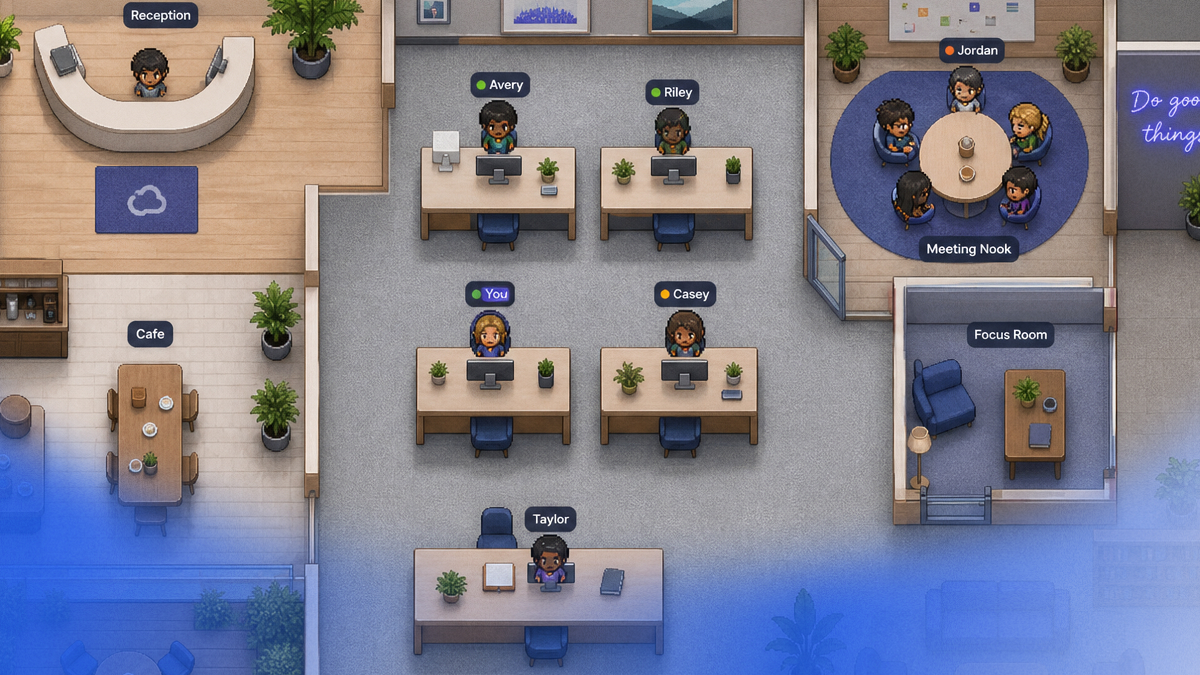
Integrating a virtual trivia night into a broader team presence strategy is essential for long-term engagement. Tools like Hurbly.ai help by showing who is currently "in the lounge" or ready for a social break. This real-time visibility prevents the friction of scheduling and makes the transition into a virtual trivia night feel like a natural gathering in a physical breakroom.
When participants can see their colleagues' availability in a virtual office, the virtual trivia night becomes more than just a calendar invite; it becomes a shared destination. This sense of "place" is what differentiates a successful remote culture from one that relies solely on isolated tasks. By maintaining visibility, teams can spontaneously decide to start a virtual trivia night whenever the collective energy allows.
Strategies for Maximum Participation and Engagement
To keep the momentum during a virtual trivia night, the host should actively use the chat function to highlight funny answers or close scores. Encouraging "friendly trash talk" in a moderated environment adds a layer of entertainment that keeps people focused on the screen. It is also helpful to rotate the role of the host, giving different team members the chance to shape the theme of the next virtual trivia night.
Finally, always gather feedback after the event. Ask participants which rounds they enjoyed most and if the timing worked for their schedule. Continuous improvement ensures that the virtual trivia night remains a highlight of the remote work experience rather than a mandatory chore. By focusing on variety and accessibility, you can turn a simple virtual trivia night into a cornerstone of your organization's digital culture.