Understanding Virtual Working and Real-Time Team Presence
In this article

Understanding Virtual Working and Real-Time Team Presence
Virtual working has transformed from a temporary alternative into a standard operational model for global organizations in 2026. At its core, virtual working refers to the practice of employees performing their professional duties outside of a traditional centralized office, relying instead on digital infrastructure to collaborate. While this model offers flexibility, it often introduces challenges regarding team cohesion and spontaneous communication. To bridge this gap, teams utilize platforms like Hurbly.ai, which creates a digital layer of visibility that mimics the physical proximity of a brick-and-mortar office.
Effective virtual working requires more than just video conferencing tools; it demands a clear understanding of team availability. In a physical setting, you can see if a colleague is at their desk, talking to someone else, or deeply focused on a task. Digital environments often lack these visual cues, leading to "meeting fatigue" caused by over-scheduling. By implementing a dedicated presence platform, teams can restore these social signals, making the transition to virtual working more intuitive and less isolating for individual contributors and managers alike.
How Real-Time Presence Enhances Virtual Working
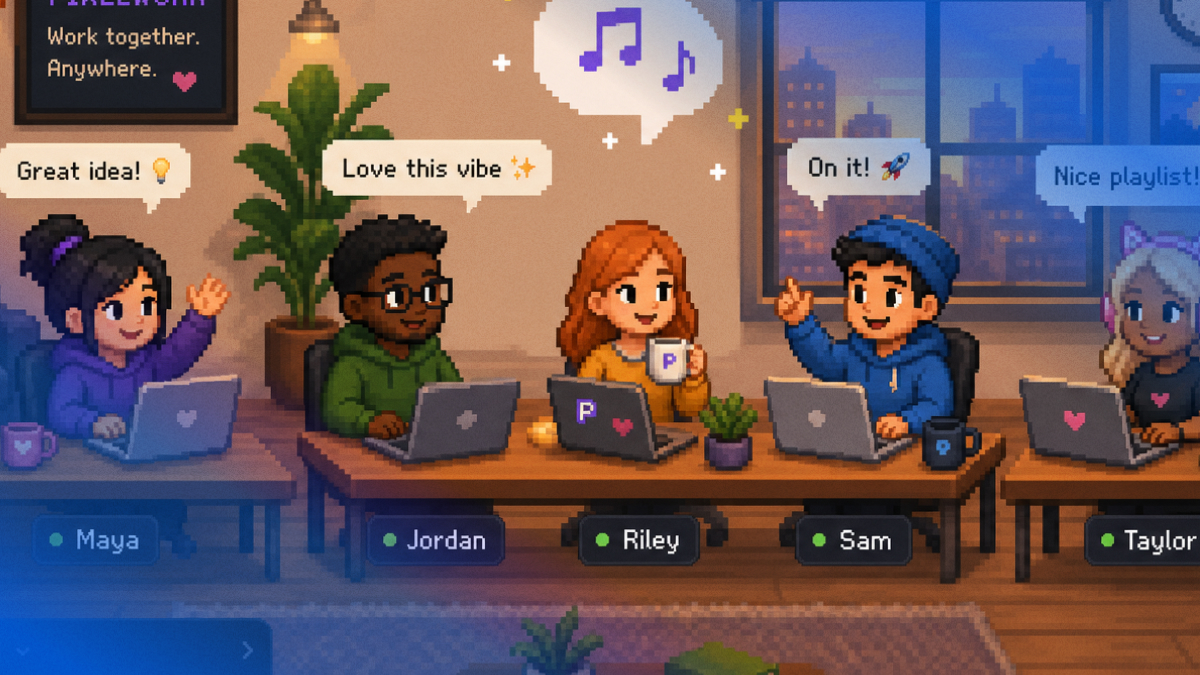
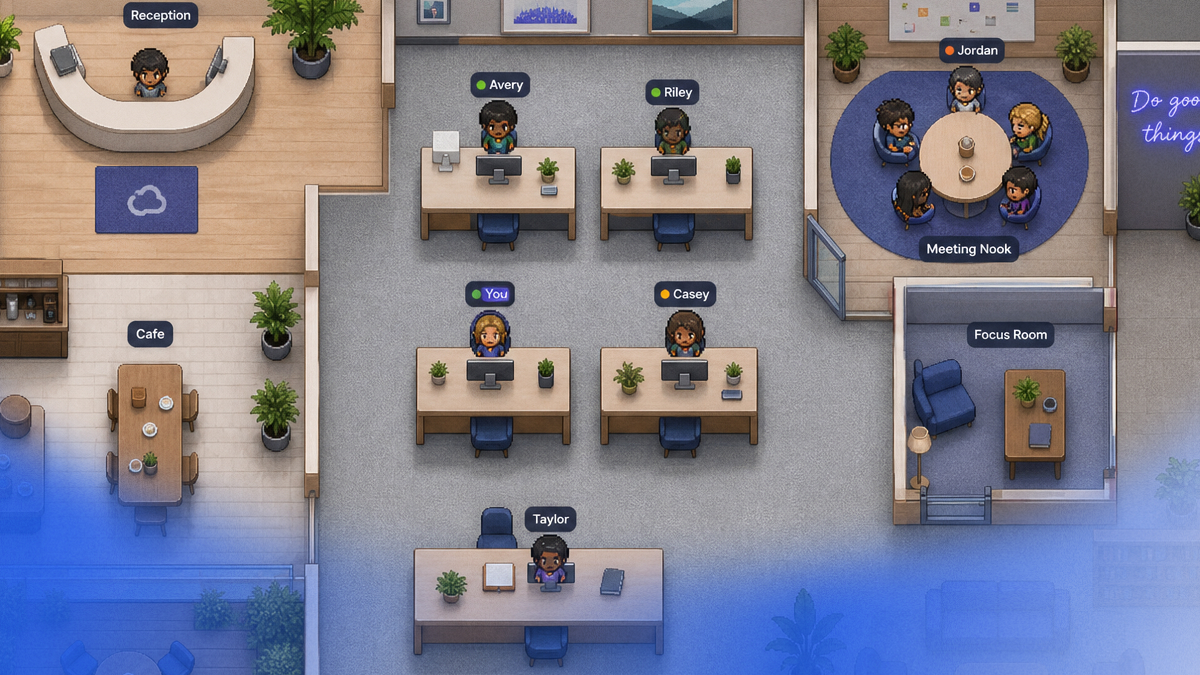
The success of virtual working depends heavily on reducing the friction required to start a conversation. In many remote setups, a simple question requires checking a calendar, sending a message, and waiting for a reply. A real-time presence platform simplifies this by displaying live status indicators. Users can see instantly who is available for a quick chat, who is currently in a meeting, and who has entered a "deep work" mode to avoid interruptions. This transparency is a cornerstone of modern virtual working, as it allows for organic interactions that don't require a calendar invitation.
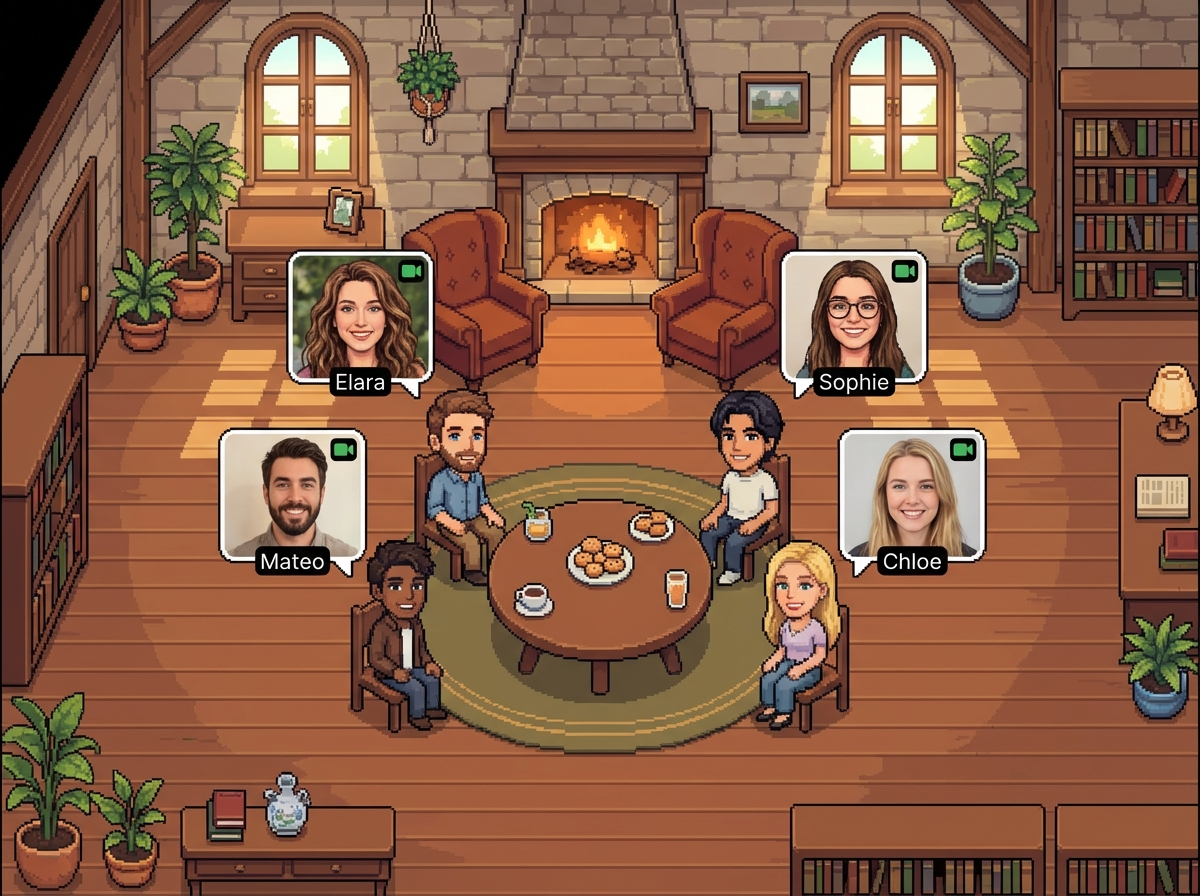
When teams embrace this level of visibility, the dynamics of virtual working shift from reactive to proactive. Instead of guessing if a teammate is online, the interface provides a spatial representation of the office. This visual map helps maintain a sense of belonging and shared purpose. For instance, seeing a group of colleagues gathered in a digital "room" encourages others to join or wait until the discussion concludes, mirroring the natural flow of office life within a virtual working framework.
Key Benefits of Structured Virtual Working Environments
Implementing a structured approach to virtual working offers several measurable advantages for distributed teams. By using Hurbly.ai, organizations can streamline their internal operations and improve the overall employee experience. The following list highlights the primary benefits of optimizing your digital workspace:
- Reduced Communication Friction: Instant visibility means less time spent on "Are you there?" messages.
- Improved Focus: Presence indicators allow team members to signal when they should not be disturbed, protecting their productivity.
- Spontaneous Collaboration: Quick audio or video huddles can happen naturally, mimicking "watercooler" moments.
- Enhanced Transparency: Managers can see team activity levels without micromanaging, fostering a culture of trust.
- Global Integration: Teams across different time zones can easily identify overlapping windows for synchronous virtual working.
Beyond these points, virtual working helps reduce the overhead costs associated with physical real estate while allowing companies to hire talent from any geographic location. However, the psychological aspect of feeling "connected" remains the most significant hurdle. Tools that prioritize presence help mitigate the loneliness often associated with remote roles, ensuring that virtual working remains sustainable for the long term.
Comparing Communication Methods in Virtual Working
To understand why presence-based platforms are gaining traction, it is helpful to compare them with traditional communication methods used in virtual working. While email and instant messaging are essential, they serve different purposes than a live digital office.
| Feature | Traditional Messaging | Video Conferencing | Presence Platforms |
|---|---|---|---|
| Spontaneity | Low (requires typing/waiting) | Low (requires scheduling) | High (instant interaction) |
| Context | Minimal (status text only) | High (during the call) | Constant (real-time status) |
| Disturbance | High (notifications) | High (interrupts workflow) | Low (visual cues first) |
| Primary Use | Asynchronous updates | Formal presentations | Daily virtual working flow |
As shown in the table, presence platforms fill a specific niche in virtual working by providing constant, low-effort context. This allows team members to make informed decisions about when and how to reach out to one another. By integrating Hurbly.ai into the daily routine, the barriers between remote staff are lowered, creating a more cohesive environment that supports various styles of virtual working.
Implementing a Virtual Working Strategy for 2026
Transitioning to a high-performance virtual working environment requires a combination of the right technology and clear cultural norms. First, the team must agree on what different status indicators mean to ensure everyone interprets presence cues consistently. Second, leadership should encourage spontaneous "drop-ins" to replace unnecessary formal meetings. This shift in behavior is what truly unlocks the potential of virtual working, moving away from rigid structures toward a more fluid and responsive way of operating.
Finally, it is important to choose tools that integrate seamlessly into the existing workflow. A platform like Hurbly.ai serves as the "digital floor" where all other work happens. When virtual working is supported by real-time visibility, the physical distance between team members becomes irrelevant. The result is a more engaged, informed, and efficient workforce capable of tackling complex projects with the same agility as an in-person team. Consistent use of these systems ensures that virtual working remains a competitive advantage for modern enterprises.