Understanding the Mechanics and Benefits of Virtual Workspaces in 2026
In this article

Understanding the Mechanics and Benefits of Virtual Workspaces in 2026
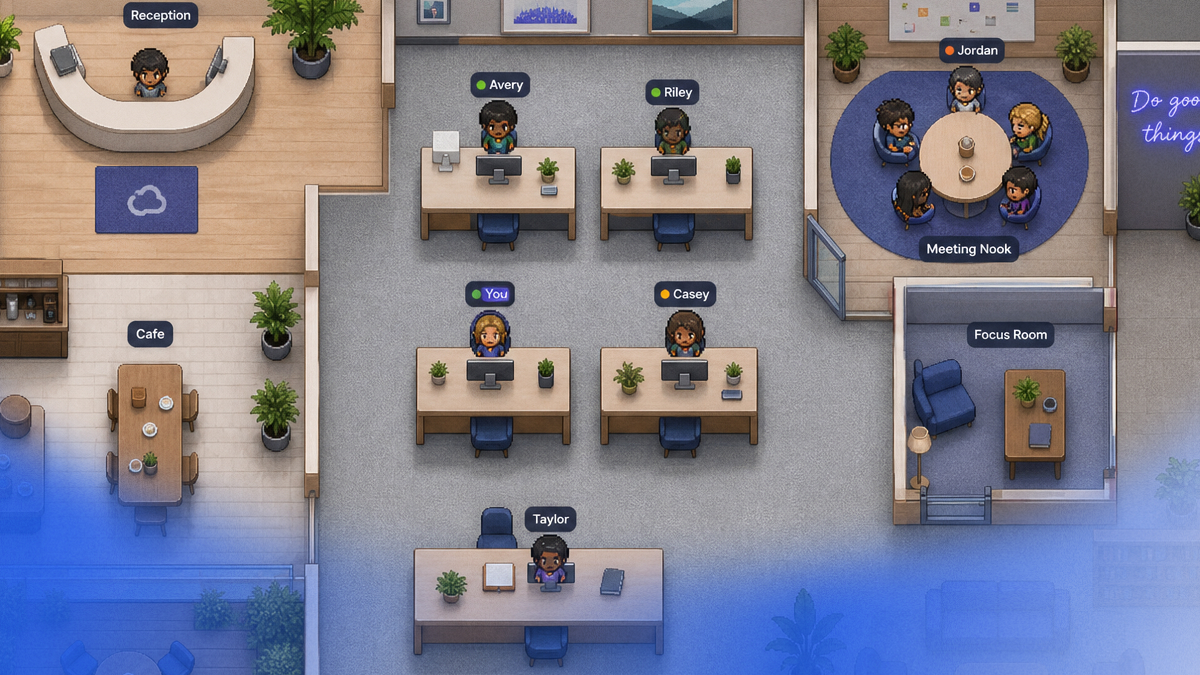
Virtual workspaces are digital environments designed to simulate the collaborative atmosphere of a physical office. Unlike traditional messaging apps that rely on asynchronous text, these platforms focus on real-time presence and spatial awareness. By using a visual interface, team members can see who is at their desk, who is in a deep-work session, or who is currently speaking with a colleague. This transparency reduces the need for constant "Are you there?" messages and helps remote teams maintain a natural workflow.
The core functionality of these virtual workspaces involves integrating status indicators with instant communication tools. When a user enters the digital room, their avatar or status icon becomes visible to the entire group. This setup allows for "walk-up" conversations, where a team member can initiate a quick audio or video chat simply by clicking on a colleague's profile. This mimics the spontaneous interactions found in traditional offices, making virtual workspaces essential for reducing the friction often associated with remote coordination.
How Virtual Workspaces Improve Team Transparency
Transparency is a primary challenge for distributed organizations. In many digital environments, employees feel isolated because they cannot see their peers. Modern virtual workspaces solve this by providing a live map of team activity. This visual data helps managers and peers understand the current workload and availability of the team without intrusive monitoring. For instance, if a developer is marked as "focused" within one of the virtual workspaces, colleagues know not to interrupt, which protects deep-work cycles.
Effective communication in virtual workspaces is built on the following pillars:
- Real-time Presence: Knowing exactly who is online and available at any given moment.
- Contextual Statuses: Using specific labels like "In a meeting," "On a break," or "Focusing" to set boundaries.
- Spontaneous Interaction: The ability to start a conversation without the overhead of scheduling a formal calendar invite.
- Visual Hierarchy: Organizing teams into different digital rooms or departments to mirror the company structure.
By centralizing these elements, Hurbly.ai provides a streamlined experience where team presence is the focal point. This approach ensures that virtual workspaces remain functional and uncluttered, prioritizing the human element of work over complex project management dashboards.
Comparing Communication Methods in Digital Environments
To understand why virtual workspaces have become a standard in 2026, it is helpful to compare them with traditional remote work tools. While email and chat are effective for documentation, they often fail to capture the urgency or the nuance of a quick verbal exchange. Virtual workspaces bridge this gap by offering a middle ground between a text message and a formal video conference.
| Feature | Traditional Messaging | Video Conferencing | Virtual Workspaces |
|---|---|---|---|
| Spontaneity | Low (Wait for reply) | Low (Needs a link) | High (Instant click-to-talk) |
| Presence | Binary (Online/Offline) | None until call starts | Continuous and visual |
| Context | Limited to text | Limited to meeting time | High (Real-time activity) |
| Friction | Medium | High | Low |
The adoption of virtual workspaces allows teams to move away from "meeting fatigue." Instead of thirty-minute blocks for simple questions, users can resolve issues in thirty seconds. This efficiency is why many freelancers and distributed agencies now prioritize virtual workspaces as their primary hub for daily operations.
Implementing Virtual Workspaces for Distributed Teams
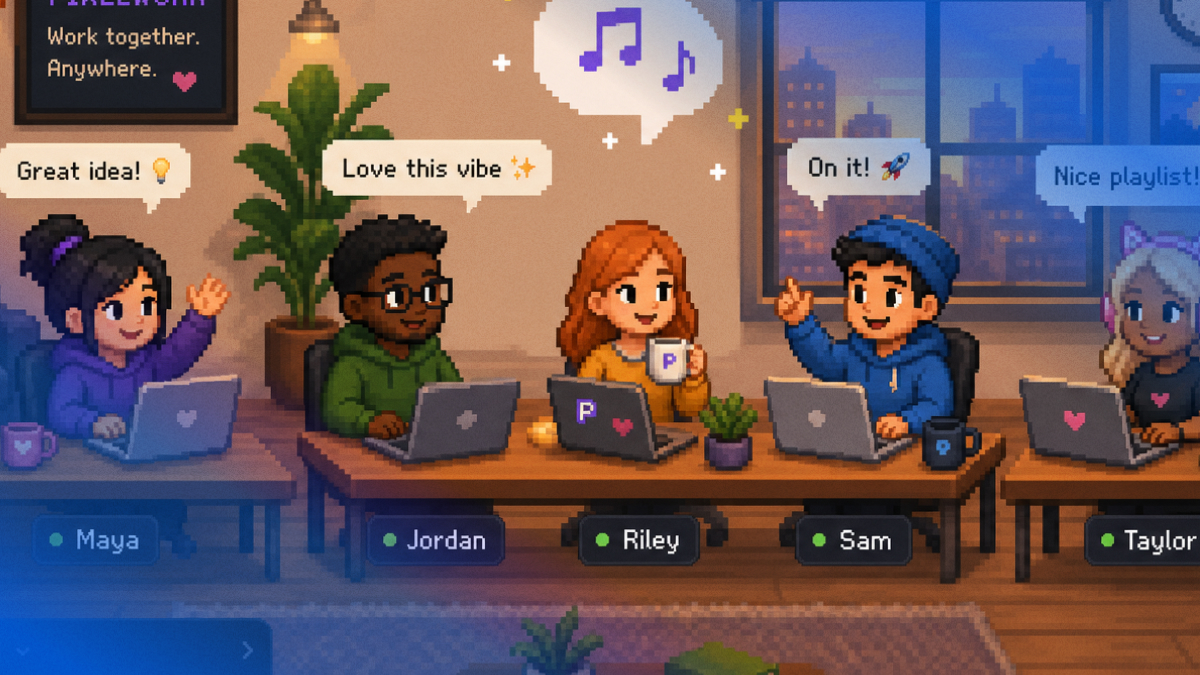
Setting up virtual workspaces requires more than just software; it requires a shift in team culture. Organizations must encourage members to keep the platform open throughout the day to maintain the "presence" benefit. When everyone is visible, the digital environment feels populated and active. This sense of belonging is a significant psychological benefit of using virtual workspaces, as it combats the loneliness often reported by remote workers.
To maximize the utility of these platforms, teams should follow a structured approach:
- Define Status Protocols: Agree on what each status means to ensure everyone respects "do not disturb" periods.
- Create Logical Rooms: Organize the digital layout to reflect project teams or functional departments.
- Encourage Informal Chitchat: Use designated areas within the virtual workspaces for non-work social interaction to build rapport.
- Integrate with Daily Tasks: Use the platform as the first point of contact before resorting to external meeting tools.
As the workplace continues to evolve in 2026, virtual workspaces like Hurbly.ai serve as the connective tissue for global talent. By focusing on real-time visibility and ease of access, these virtual workspaces ensure that physical distance does not hinder collective productivity or team cohesion. The transition to these environments represents a move toward a more fluid, transparent, and human-centric way of working online.