Effective Strategies for Creating a Professional Voicemail Greeting in 2026

In this article

Effective Strategies for Creating a Professional Voicemail Greeting in 2026
A professional voicemail greeting serves as a vital touchpoint in modern business communication. It acts as a digital receptionist, providing essential information to callers when you are unable to answer. In a remote work landscape, where asynchronous communication is standard, a clear voicemail greeting ensures that clients and colleagues feel heard and informed. This recorded message should be concise, professional, and updated regularly to reflect your current availability or alternative contact methods.
The primary function of a voicemail greeting is to manage expectations. By clearly stating your name, department, and the reason you cannot take the call, you reduce caller frustration. Furthermore, incorporating a specific timeframe for a callback helps maintain professional trust. For teams utilizing tools like Hurbly.ai to monitor real-time presence, a well-structured voicemail greeting complements the transparency of a virtual office by handling interactions when a user is in "deep work" mode or away from their desk.
Essential Components of a High-Quality Voicemail Greeting
To ensure your voicemail greeting is effective, it must follow a logical structure that prioritizes the caller's needs. A standard professional message typically includes four key elements: a polite salutation, your full identification, the reason for your unavailability, and a clear call to action. Providing these details prevents unnecessary follow-up calls and allows the caller to leave a more detailed and useful message.
When drafting your voicemail greeting, consider including the following specific information:
- Your full name and job title to confirm the caller reached the correct person.
- A brief explanation for missing the call, such as being in a meeting or out of the office.
- An estimated time or date for when the caller can expect a response.
- An alternative contact person or email address for urgent matters.
- Instructions on what information the caller should leave (e.g., name, phone number, and reason for calling).
Customizing Your Voicemail Greeting for Different Situations
Different professional scenarios require specific types of messages. A standard voicemail greeting used for daily operations may not be suitable for long-term absences or holiday breaks. For instance, an "out-of-office" voicemail greeting should explicitly state the date of your return and whether you will have access to messages during your absence. This prevents callers from expecting a quick reply when you are unavailable for an extended period.
In a collaborative environment, your voicemail greeting can also direct people to digital platforms. If your team uses Hurbly.ai to track availability, you might mention that your real-time status is visible there, allowing colleagues to see exactly when you become free. This integration of audio messaging and visual presence data creates a seamless communication flow for distributed teams.
Best Practices for Recording and Maintenance
The quality of the recording is just as important as the script itself. A professional voicemail greeting should be recorded in a quiet environment to eliminate background noise, which can distract or confuse the caller. Speaking at a moderate pace and using an upbeat, helpful tone helps project a positive image of your brand or personal professional identity. It is also advisable to listen to your voicemail greeting after recording to ensure the audio is crisp and the information is easy to understand.
Regularly updating your voicemail greeting is a hallmark of good communication. If your schedule changes or you are attending a multi-day conference, a temporary voicemail greeting keeps your contacts informed. In 2026, where business moves rapidly, providing accurate information through your voicemail greeting saves time for both the caller and the recipient.
Comparison of Voicemail Greeting Styles
| Feature | Standard Business Style | Out-of-Office Style | Personal/Freelance Style |
|---|---|---|---|
| Primary Goal | General availability | Managing long-term absence | Direct and approachable |
| Key Info | Name and callback time | Return date and backup contact | Name and specific services |
| Duration | 15–20 seconds | 20–30 seconds | 10–15 seconds |
| Update Frequency | Monthly or as needed | Per absence event | Occasionally |
Improving Team Connectivity Beyond the Voicemail Greeting
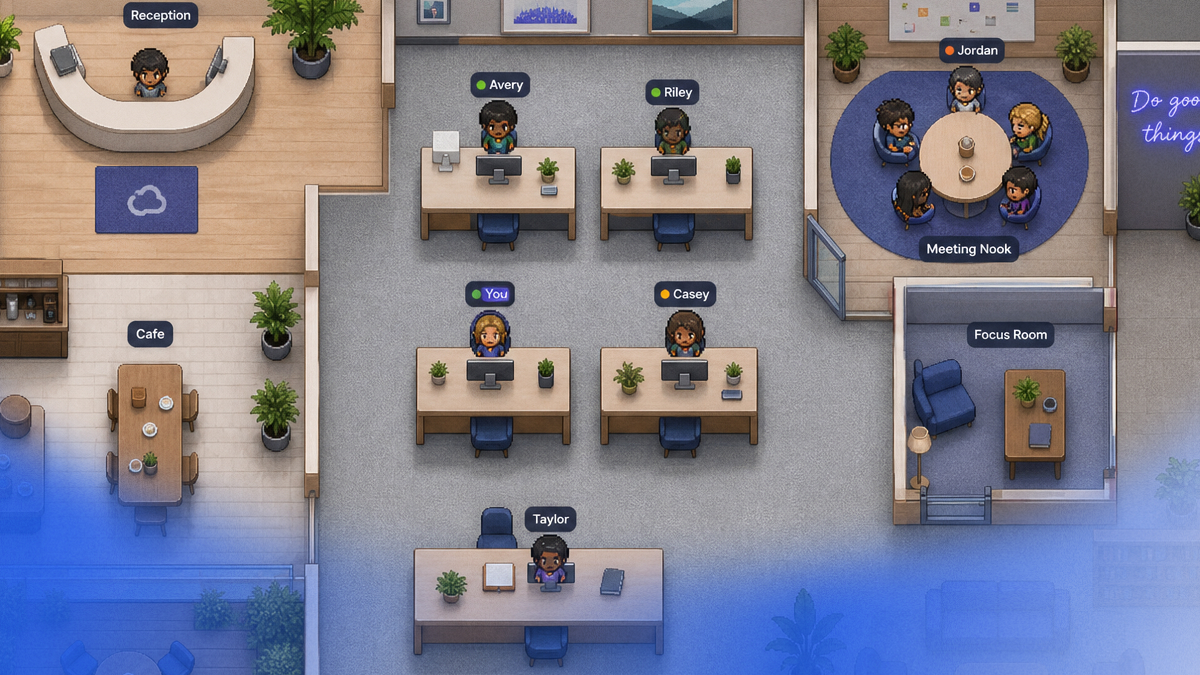
While a voicemail greeting handles missed connections, proactive communication tools can reduce the number of missed calls entirely. Platforms like Hurbly.ai allow team members to see who is available for a quick chat in real-time. By checking a colleague's status before dialing, you can decide whether to call immediately or leave a message, making the voicemail greeting a secondary fallback rather than the primary point of contact.
Ultimately, the goal of a voicemail greeting is to bridge the gap between a missed call and a successful future interaction. By combining a clear, informative voicemail greeting with modern presence-tracking technology, professionals can maintain high levels of accessibility and responsiveness, regardless of their physical location or current workload. This dual approach ensures that even when you cannot answer the phone, your professional reputation remains intact.