Effective Strategies for Crafting a Welcome to the Team Message in 2026
In this article

Effective Strategies for Crafting a Welcome to the Team Message in 2026
A Welcome to the Team message serves as the primary touchpoint for integrating a new professional into a digital or physical workspace. This communication is not merely a polite gesture; it is a strategic tool used to define the organizational culture, set immediate expectations, and reduce the anxiety often associated with starting a new role. In a modern work environment, providing a clear and informative Welcome to the Team message ensures that the new hire feels valued and understands where to find essential resources from their first hour on the job.
The structure of a high-quality Welcome to the Team message should prioritize clarity and warmth. It typically includes a formal introduction, a brief overview of the person's upcoming responsibilities, and instructions on how to navigate the company's communication tools. By using a well-structured Welcome to the Team message, managers can facilitate a smoother transition, allowing the new employee to focus on learning their tasks rather than worrying about social integration.
Essential Components of a Professional Welcome to the Team Message
To ensure a Welcome to the Team message is effective, it must contain specific data points that help the newcomer orient themselves. A vague greeting lacks the utility required for rapid onboarding. Instead, a comprehensive Welcome to the Team message should include the following elements:
- Personalized Greeting: Addressing the individual by name to establish a direct connection.
- Role Definition: Briefly restating their title and the specific department they are joining.
- Immediate Contact Points: Identifying the mentor or "buddy" who will assist them during the first week.
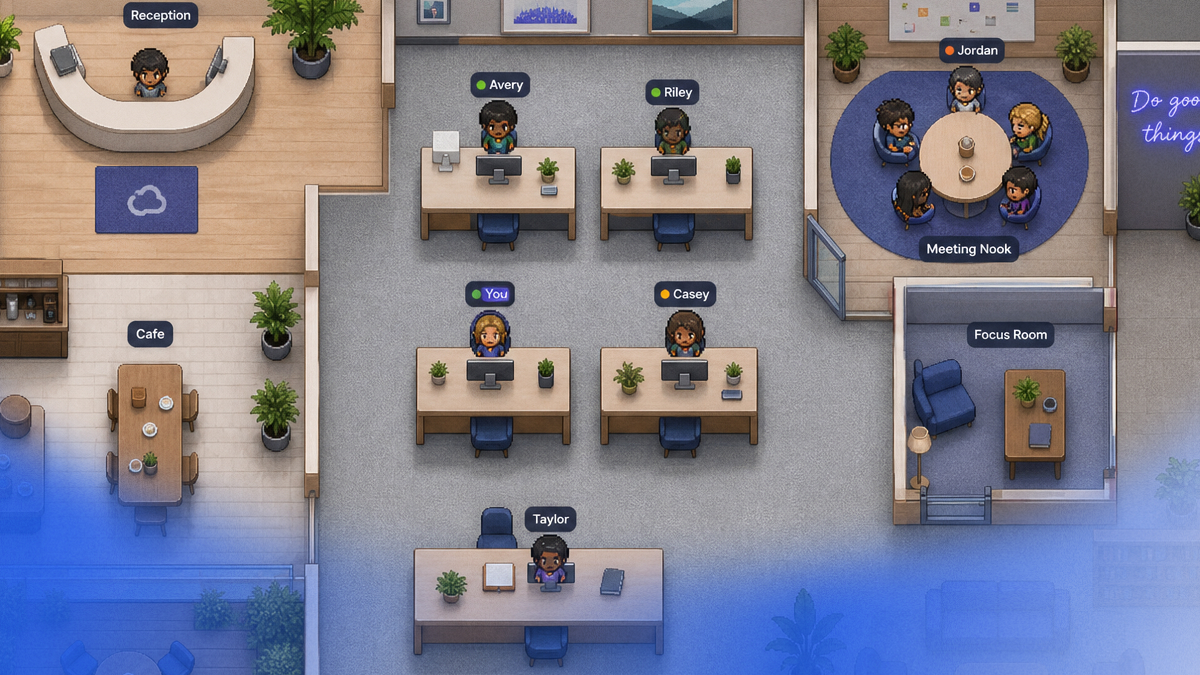
- Platform Guidance: Instructions on how to use virtual office tools like Hurbly.ai to see who is available for a quick chat.
- First-Day Agenda: A simple list of scheduled meetings or training sessions.
When these components are present, the Welcome to the Team message acts as a roadmap. It removes the guesswork from the onboarding process. Furthermore, a digital Welcome to the Team message can be easily archived and referenced by the employee whenever they need to recall specific introductory details or contact information.
How Virtual Presence Enhances the Onboarding Experience
In 2026, the context in which a Welcome to the Team message is received has evolved. Remote and distributed teams now rely on real-time presence platforms to replicate the spontaneous interactions of a physical office. When a new hire receives their Welcome to the Team message, it often includes a link to a virtual office space. This allows them to visualize their colleagues' availability immediately, making the transition feel less isolated.
Using platforms like Hurbly.ai alongside a formal Welcome to the Team message allows new employees to see who is currently in a meeting, who is focused on a task, and who is available for a quick question. This transparency complements the Welcome to the Team message by providing a live environment where the words of welcome turn into actual social interactions. Instead of waiting for a scheduled video call, the new hire can use the cues provided in the virtual office to engage with the team naturally.
Comparison of Welcome to the Team Message Formats
The delivery method of a Welcome to the Team message can vary depending on the urgency and the company's communication style. Choosing the right format is crucial for ensuring the information is processed correctly.
| Format | Best Use Case | Key Benefit |
|---|---|---|
| Formal documentation | Provides a permanent record of links and attachments. | |
| Instant Message | Real-time social integration | Encourages immediate replies and informal "hellos" from the team. |
| Virtual Office Note | Contextual presence | Links the Welcome to the Team message to a live workspace like Hurbly.ai. |
| Video Greeting | High-touch personalization | Conveys tone and emotion more effectively than text. |
Regardless of the format chosen, the core objective of the Welcome to the Team message remains the same: to create a sense of belonging. A hybrid approach often works best, where a formal email serves as the technical guide, and a shorter, enthusiastic Welcome to the Team message is posted in a public channel to prompt collective celebration from the entire department.
Best Practices for Sending a Welcome to the Team Message
Timing and tone are the two most critical factors when sending a Welcome to the Team message. Ideally, the message should arrive before the employee's start date or at the very beginning of their first day. This proactive approach demonstrates that the organization is prepared for their arrival. A delayed Welcome to the Team message can leave a new hire feeling overlooked or confused about their initial steps.
- Be Concise: Avoid overwhelming the recipient with too much technical jargon in the initial Welcome to the Team message.
- Encourage Interaction: Explicitly invite the new hire to ask questions or reach out to specific colleagues.
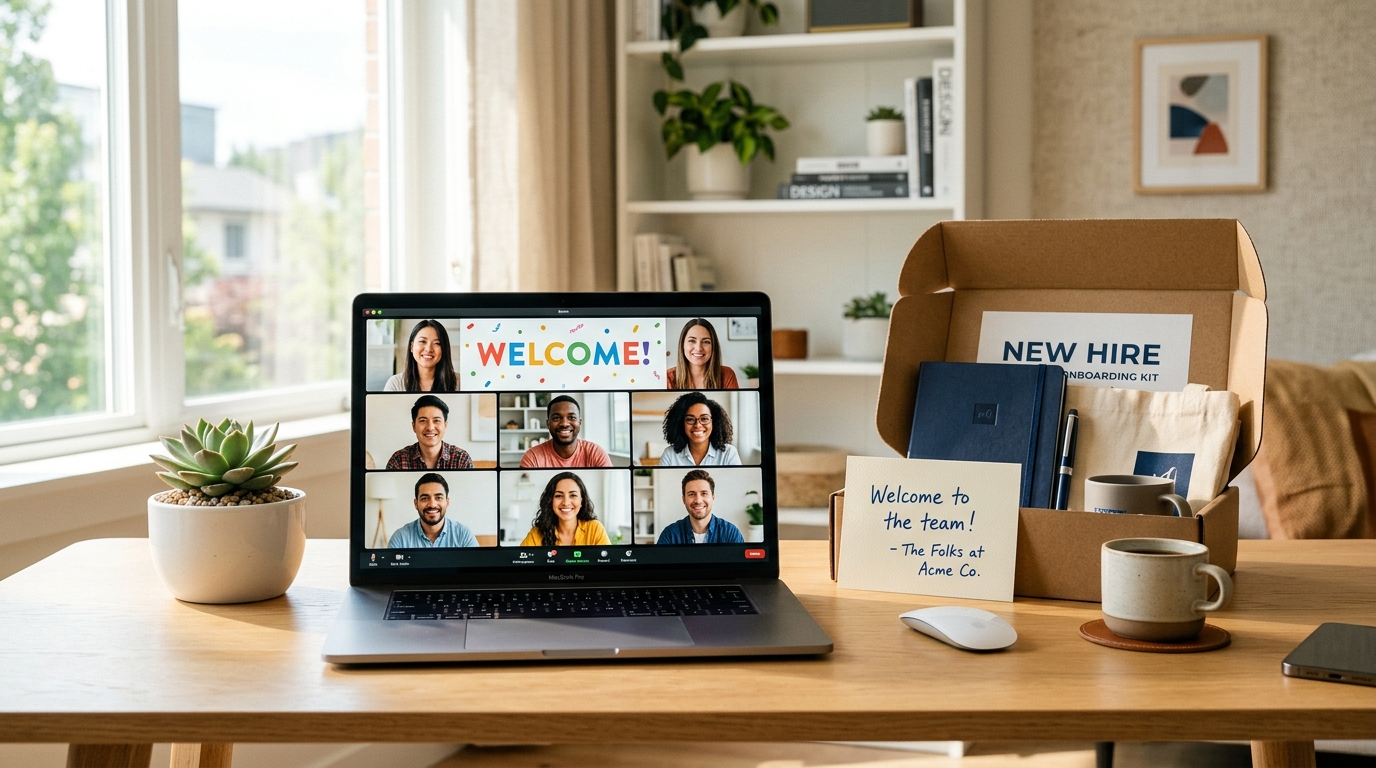
- Use Visuals: If possible, include a team photo or a link to a virtual floor plan to provide a visual context to the Welcome to the Team message.
- Highlight Culture: Use the Welcome to the Team message to briefly mention team rituals, such as virtual coffee breaks or "no-meeting" Fridays.
By following these guidelines, the Welcome to the Team message becomes a foundational element of employee retention. It sets a professional tone while maintaining the human element necessary for building strong, distributed teams. Integrating these messages with presence-aware tools like Hurbly.ai ensures that the warm welcome translates into meaningful, long-term professional relationships.