Identifying and Leveraging Professional Work Strengths for Remote Success

In this article

Identifying and Leveraging Professional Work Strengths for Remote Success
Understanding your professional work strengths is essential for navigating the modern labor market of 2026. These strengths represent the specific skills, character traits, and technical abilities that allow an individual to perform tasks efficiently and provide value to a team. When employees align their daily responsibilities with their core work strengths, they tend to report higher levels of engagement and productivity. In a digital environment, identifying these attributes helps managers distribute tasks more effectively, ensuring that the right person is assigned to the right project based on their natural inclinations and acquired expertise.
To accurately identify your work strengths, you should analyze past performance reviews, successful projects, and the types of tasks that feel most intuitive. These strengths often fall into categories such as analytical thinking, creative problem-solving, or interpersonal communication. By documenting these capabilities, professionals can better communicate their value during internal evaluations or when seeking new opportunities. Recognizing your work strengths is not just about self-awareness; it is a strategic move to optimize your career trajectory and contribute more meaningfully to your organization's goals.
How Real-Time Presence Enhances Individual Work Strengths
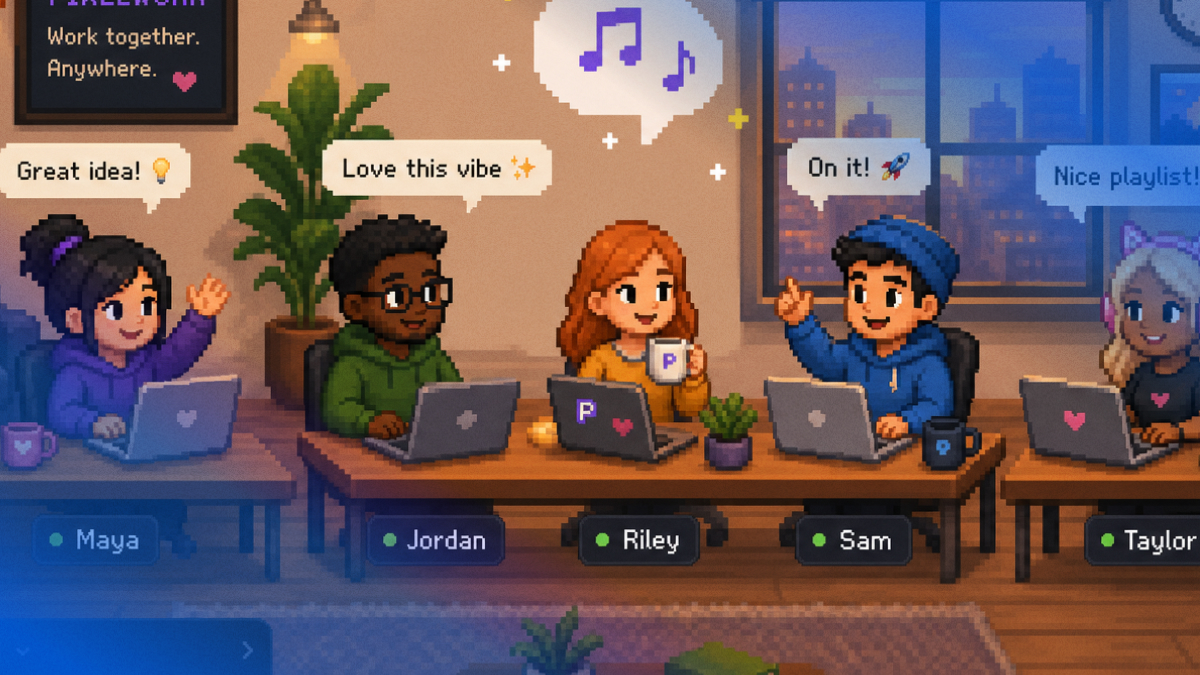
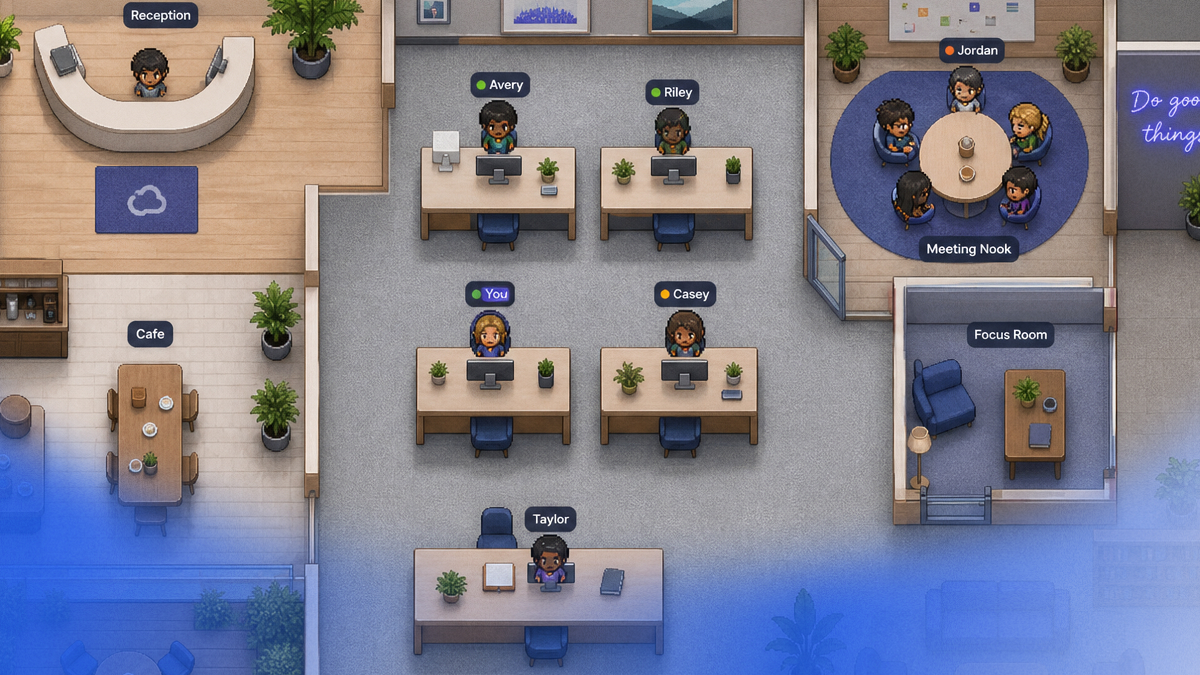
In the era of distributed teams, visibility is a key factor in how work strengths are perceived and utilized. Platforms like Hurbly.ai provide a virtual office environment where team members can see each other's status in real time. This visibility allows colleagues to identify who possesses the specific work strengths needed for a spontaneous brainstorming session or a technical emergency. Instead of waiting for a scheduled meeting, a team member can see when an expert is "available" and initiate a quick conversation to solve a problem instantly.
When team members are visible, their collaborative work strengths become more accessible to the rest of the group. For example, a developer with strong debugging work strengths can be easily reached when they are in a "focused" but reachable state, preventing bottlenecks in the workflow. This real-time interaction model replicates the organic flow of a physical office, where you can simply look over at a desk to see if someone is free. By using Hurbly.ai, teams can leverage the diverse work strengths of every member without the friction of back-and-forth emails or calendar invites.
Categorizing Different Types of Professional Work Strengths
Professional capabilities are generally divided into hard skills and soft skills, both of which constitute an individual's total work strengths. Hard skills are measurable abilities, such as coding, financial analysis, or bilingual proficiency. Soft skills, on the other hand, relate to how you work and interact with others, including empathy, time management, and adaptability. In 2026, the integration of AI tools has shifted the focus toward work strengths that involve critical thinking and emotional intelligence, as these are harder to automate.
| Category | Examples of Work Strengths | Impact on Team |
|---|---|---|
| Cognitive | Logical reasoning, strategic planning | Improves decision-making quality |
| Interpersonal | Conflict resolution, active listening | Enhances team cohesion and morale |
| Execution | Attention to detail, consistency | Ensures high-quality final outputs |
| Adaptive | Resilience, quick learning | Allows the team to pivot during crises |
Understanding where you fall on this spectrum allows you to cultivate specific work strengths that complement your team's needs. If a team is heavy on execution but light on strategy, an individual who develops strategic work strengths becomes an indispensable asset. This balance is crucial for maintaining a high-performing department that can handle various challenges.
Strategies to Develop and Optimize Your Work Strengths
Developing your work strengths requires a combination of deliberate practice and consistent feedback. One effective method is the "70-20-10" model, where 70% of learning comes from job-related experiences, 20% from interactions with others, and 10% from formal educational events. By taking on challenging assignments that push your boundaries, you can refine your existing work strengths and discover new ones. Seeking mentorship is another vital step, as an experienced professional can provide objective insights into areas where your work strengths are most visible or where they need further refinement.
In a remote setting, optimizing your work strengths also involves managing your digital presence. Using tools like Hurbly.ai helps you signal when you are applying your "deep work" strengths. By setting a "focused" status, you protect your concentration, allowing you to produce higher-quality results. Conversely, signaling availability during collaborative windows ensures your interpersonal work strengths are available to support your colleagues. This balance between solitary focus and active collaboration is essential for long-term professional growth and team efficiency.
The Role of Transparency in Maximizing Team Work Strengths
Transparency is the foundation of effective remote collaboration. When a team has a clear view of everyone's availability and current focus, it becomes much easier to align collective work strengths toward a common objective. Without this clarity, team members often work in silos, leading to duplicated efforts or missed opportunities to utilize someone's unique work strengths. A transparent digital workspace ensures that no talent goes unnoticed and that every contributor can see how their specific work strengths fit into the larger project landscape.
By integrating a virtual office solution like Hurbly.ai, organizations create an environment where work strengths are showcased through action and presence. This reduces the need for constant status update meetings, as the platform provides a live map of the team's activity. When managers can see the real-time engagement of their staff, they can better support the development of individual work strengths by providing resources or adjusting workloads before burnout occurs. Ultimately, a focus on visibility and clear communication allows the best work strengths of every employee to shine, regardless of their physical location.