Optimizing Remote Collaboration Through a Digital Working Environment
In this article

Optimizing Remote Collaboration Through a Digital Working Environment
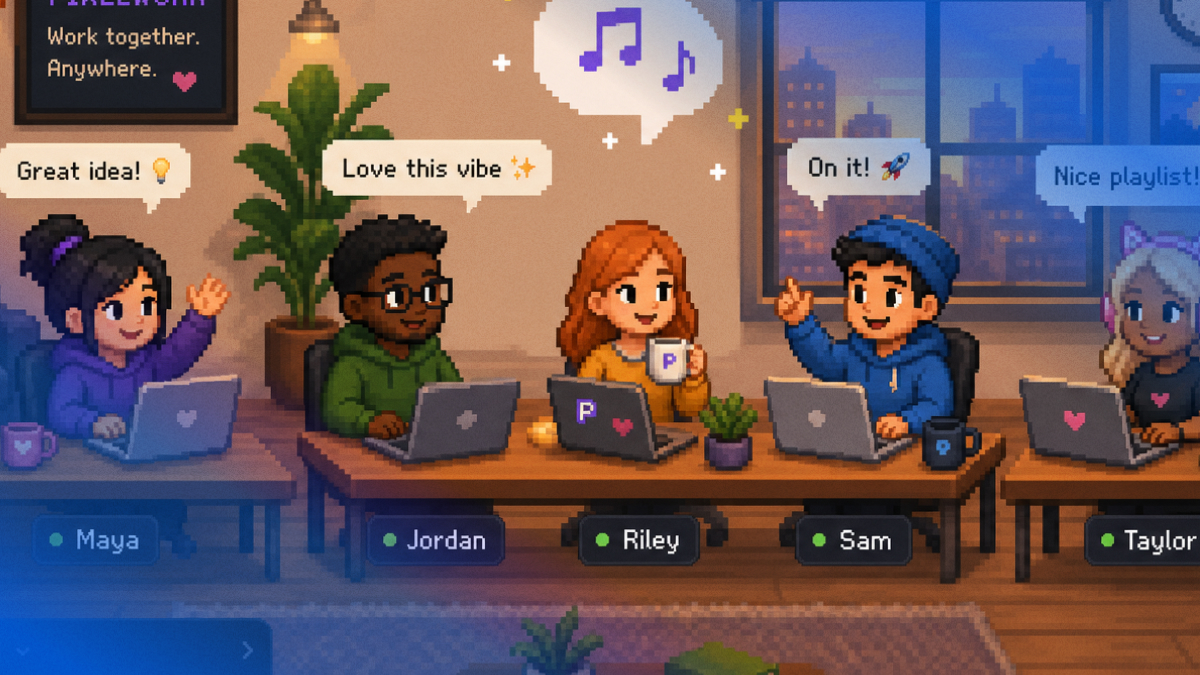
A digital working environment serves as the foundational infrastructure for remote teams to interact, share information, and execute tasks. Unlike traditional physical offices, a virtual working environment relies on real-time data to bridge the gap between distributed team members. By utilizing specialized software, organizations can create a cohesive working environment where transparency and accessibility are prioritized. This setup ensures that every participant understands their role and the availability of their colleagues, which is essential for maintaining operational momentum in 2026.
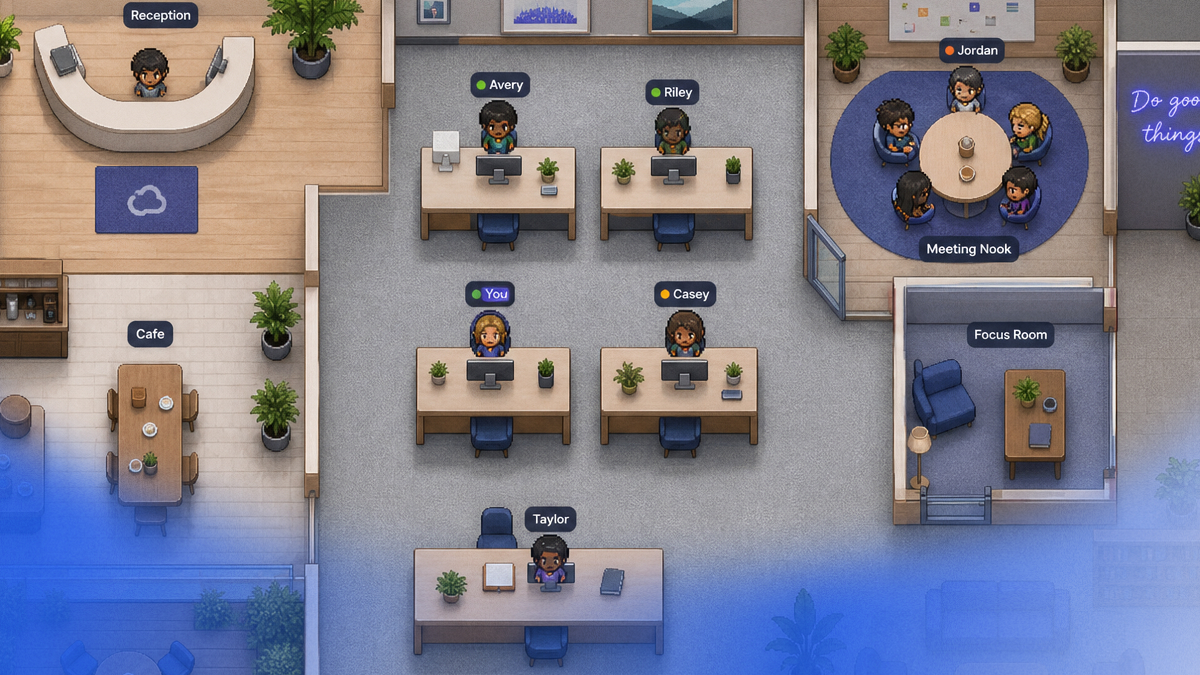
Modern teams require a working environment that minimizes the friction often found in asynchronous communication. When a working environment is poorly defined, employees frequently face "meeting fatigue" due to over-scheduling. To counter this, a well-structured working environment integrates presence indicators, allowing users to see who is currently focused, available for a quick chat, or engaged in a deep-work session. Platforms like Hurbly.ai specialize in creating this type of responsive working environment, mimicking the spontaneous interactions of a physical office.
How Real-Time Presence Enhances the Working Environment
The core functionality of a high-performing working environment lies in its ability to display real-time status updates. This visibility transforms the digital working environment from a static list of names into a dynamic space for collaboration. When a team member enters their working environment, they can immediately identify which peers are active. This instant awareness reduces the need for "Are you there?" messages, streamlining the workflow across different time zones.
A healthy working environment is built on the following technical and social pillars:
- Presence Indicators: Visual cues that signal whether a person is in a meeting, available, or away.
- Instant Accessibility: The ability to initiate a conversation without the barrier of a calendar invite.
- Contextual Awareness: Understanding the current workload of colleagues within the shared working environment.
- Reduced Isolation: Creating a sense of "togetherness" that is often missing in remote settings.
By focusing on these elements, a company can ensure its working environment supports both individual concentration and collective problem-solving. Hurbly.ai provides the tools necessary to maintain this balance, ensuring that the working environment remains productive and socially connected.
Steps to Implement a Transparent Working Environment
Transitioning to a transparent working environment requires a systematic approach to tool adoption and team etiquette. It is not enough to simply provide software; the team must agree on how to interact within their new working environment. This process involves defining status meanings and setting expectations for response times.
- Define Status Protocols: Establish clear definitions for "Available," "Deep Work," and "In a Meeting" within the working environment.
- Integrate Real-Time Tools: Deploy a platform like Hurbly.ai to serve as the central hub for team presence.
- Encourage Spontaneity: Train team members to use the working environment for quick, informal "desk-side" chats rather than scheduling 30-minute calls for 2-minute questions.
- Monitor Engagement: Regularly assess if the working environment is facilitating faster decision-making or if adjustments to the digital layout are needed.
| Feature | Impact on Working Environment |
|---|---|
| Real-time Status | Increases transparency and reduces coordination delays. |
| Instant Audio/Video | Facilitates quick resolutions and reduces email clutter. |
| Focus Modes | Protects individual productivity within the shared working environment. |
| Virtual Room Layouts | Provides a visual sense of place and team structure. |
The Relevance of a Unified Working Environment in 2026
As of 2026, the global workforce has shifted toward permanent distributed models, making the quality of the working environment a competitive advantage. A superior working environment attracts talent by offering flexibility without sacrificing the social benefits of a team. Furthermore, a digital working environment that prioritizes ease of access helps prevent the silos that often form when teams communicate only through private messages.
By utilizing Hurbly.ai, organizations can build a sustainable working environment that evolves with their needs. This platform ensures that the working environment is not just a place to log hours, but a space where innovation happens through fluid, natural communication. Ultimately, the goal of any modern working environment is to make remote work feel less remote and more like a collective effort.