Enhancing Remote Team Efficiency Through Workplace Collaboration

In this article

Enhancing Remote Team Efficiency Through Workplace Collaboration
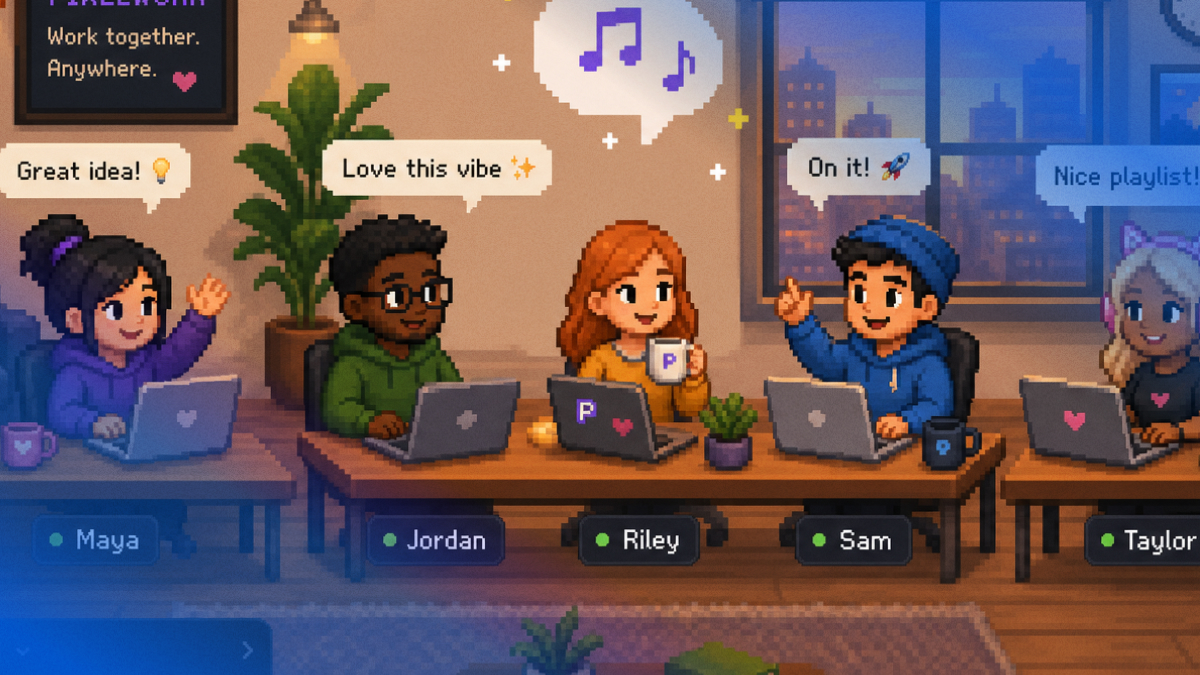
Effective workplace collaboration in 2026 relies on real-time visibility and seamless communication. As teams become more distributed across different time zones, the challenge of maintaining a cohesive work environment grows. Digital platforms now focus on replicating the spontaneous interactions found in physical offices to ensure that distance does not hinder collective productivity. By using specialized tools, organizations can transform how individuals interact, making workplace collaboration a natural part of the daily routine rather than a series of scheduled interruptions.
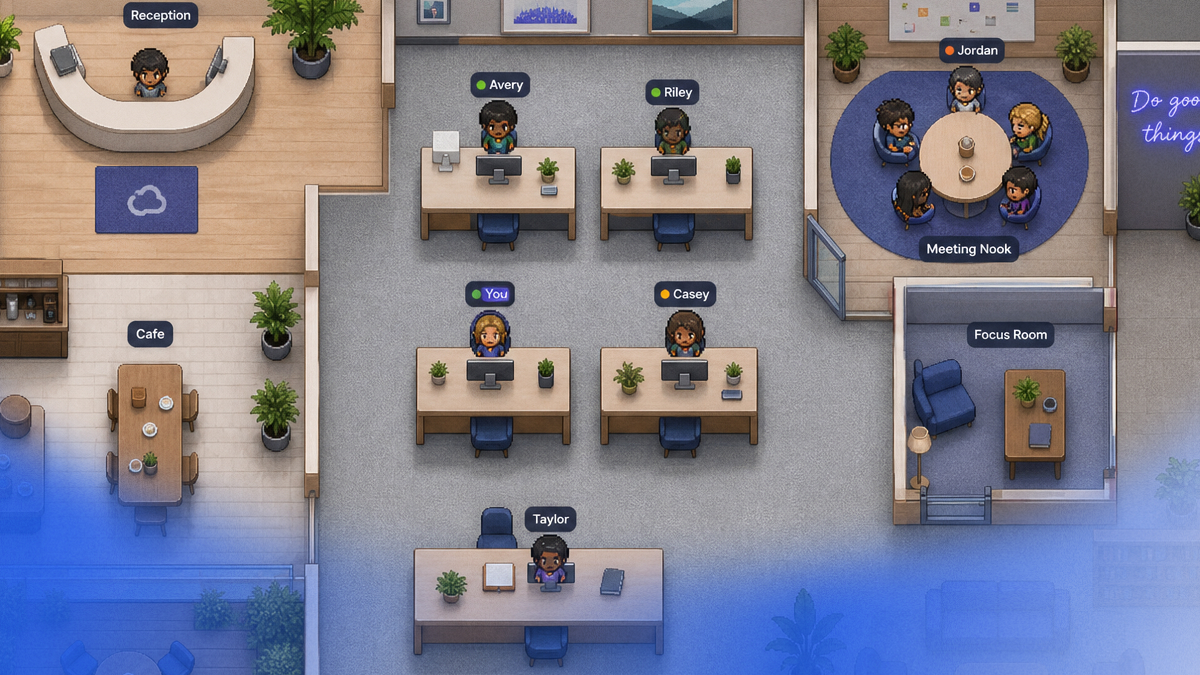
The core of modern workplace collaboration lies in understanding team presence. When employees know exactly who is available, focused on a task, or currently in a meeting, they can make informed decisions about when to reach out. This transparency reduces the friction often associated with remote work, where the lack of visual cues can lead to unnecessary delays or intrusive messages. Hurbly.ai provides this essential visibility, allowing teams to see live status updates and engage in instant conversations without the need for formal invitations.
The Mechanics of Real-Time Team Presence
Integrating real-time presence into a digital environment changes the dynamic of workplace collaboration. Instead of relying on static status icons that are often outdated, modern systems use active indicators to show current engagement levels. This functionality allows a team member to see a colleague is "free" and initiate a quick audio or video chat immediately. This mimics the "walk-up" culture of a traditional office, which is a vital component of successful workplace collaboration.
To maintain focus, these systems also include "deep work" modes. When a user is in a focused state, their status signals to the rest of the team that they should not be disturbed unless it is an emergency. This balance between availability and concentration is crucial for sustainable workplace collaboration. By respecting these boundaries, teams can ensure high-quality output while remaining accessible for necessary group discussions.
Benefits of Spontaneous Interaction in Digital Offices
Spontaneous interaction is a primary driver of innovation and quick problem-solving. In a remote setting, workplace collaboration often suffers when every conversation must be a scheduled calendar event. Removing the barrier of scheduling allows for "micro-meetings"—brief, two-minute syncs that resolve issues faster than a long thread of text messages. This agility is what defines high-performing teams that prioritize workplace collaboration.
Furthermore, these digital office environments help reduce "meeting fatigue." Since workplace collaboration becomes more fluid and continuous, there is less need for hour-long status updates that could have been handled through a quick real-time check-in. This efficiency saves time for everyone involved and keeps the momentum of projects moving forward without constant pauses for coordination.
Improving Transparency for Distributed Teams
Transparency is the foundation of trust in any professional setting. For distributed teams, workplace collaboration is strengthened when everyone has a clear view of the team's pulse. Seeing a dashboard of active colleagues creates a sense of belonging and shared purpose. This visual representation of the workforce helps remote employees feel less isolated, directly impacting the quality of their workplace collaboration efforts.
| Feature | Impact on Workplace Collaboration |
|---|---|
| Live Presence Indicators | Reduces guesswork about availability and speeds up response times. |
| Instant Audio/Video | Facilitates quick problem-solving without the friction of scheduling. |
| Focus Mode Signaling | Protects individual productivity while maintaining team awareness. |
| Digital Office Layout | Recreates the social and professional atmosphere of a physical space. |
Why Workplace Collaboration Tools are Essential in 2026
As we move through 2026, the reliance on asynchronous communication alone has proven insufficient for complex project management. Robust workplace collaboration requires a mix of real-time engagement and structured documentation. Platforms like Hurbly.ai bridge this gap by providing a persistent space where the team "exists" together during work hours. This constant connection ensures that workplace collaboration is not just a task to be completed, but the environment in which all work occurs.
By adopting these technologies, companies can attract global talent without sacrificing the cultural benefits of a centralized headquarters. The ability to maintain high levels of workplace collaboration regardless of physical location is a competitive advantage. It allows for faster onboarding, better knowledge sharing, and a more resilient organizational structure that can adapt to the changing needs of the modern workforce.