Enhancing Workplace Productivity Through Real-Time Virtual Presence
In this article

Enhancing Workplace Productivity Through Real-Time Virtual Presence
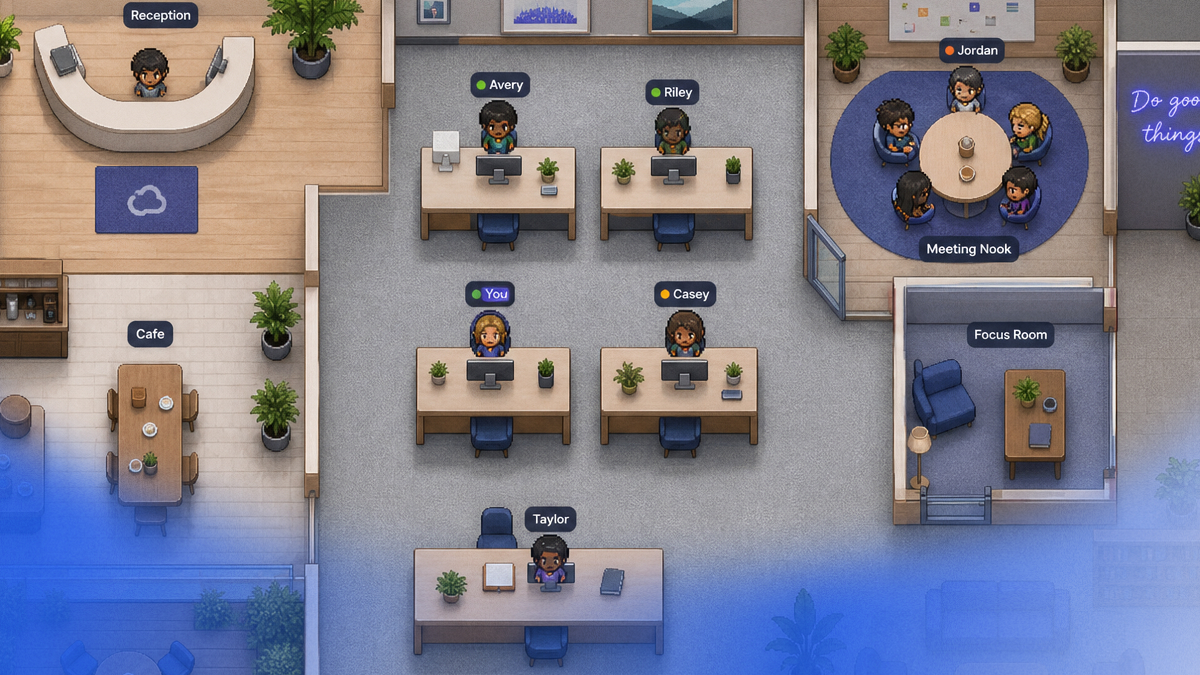
Virtual office environments have become essential for modern distributed teams aiming to maintain high levels of workplace productivity. Unlike traditional communication tools that rely on asynchronous messaging, a virtual office provides a visual representation of a team's current status. By seeing who is available, busy, or in a meeting, team members can make informed decisions about when to initiate contact. This transparency reduces the cognitive load associated with constant "pings" and helps maintain a steady flow of work throughout the day.
The core functionality of these platforms revolves around real-time presence indicators. When a user enters the digital space, their status is automatically updated based on their activity or manual settings. This immediate visibility is a cornerstone of workplace productivity because it eliminates the guesswork involved in remote collaboration. Instead of sending a message and waiting for a response, users can see at a glance if a colleague is open for a quick chat, effectively replicating the "tap on the shoulder" dynamic of a physical office.
How Virtual Presence Platforms Facilitate Instant Collaboration
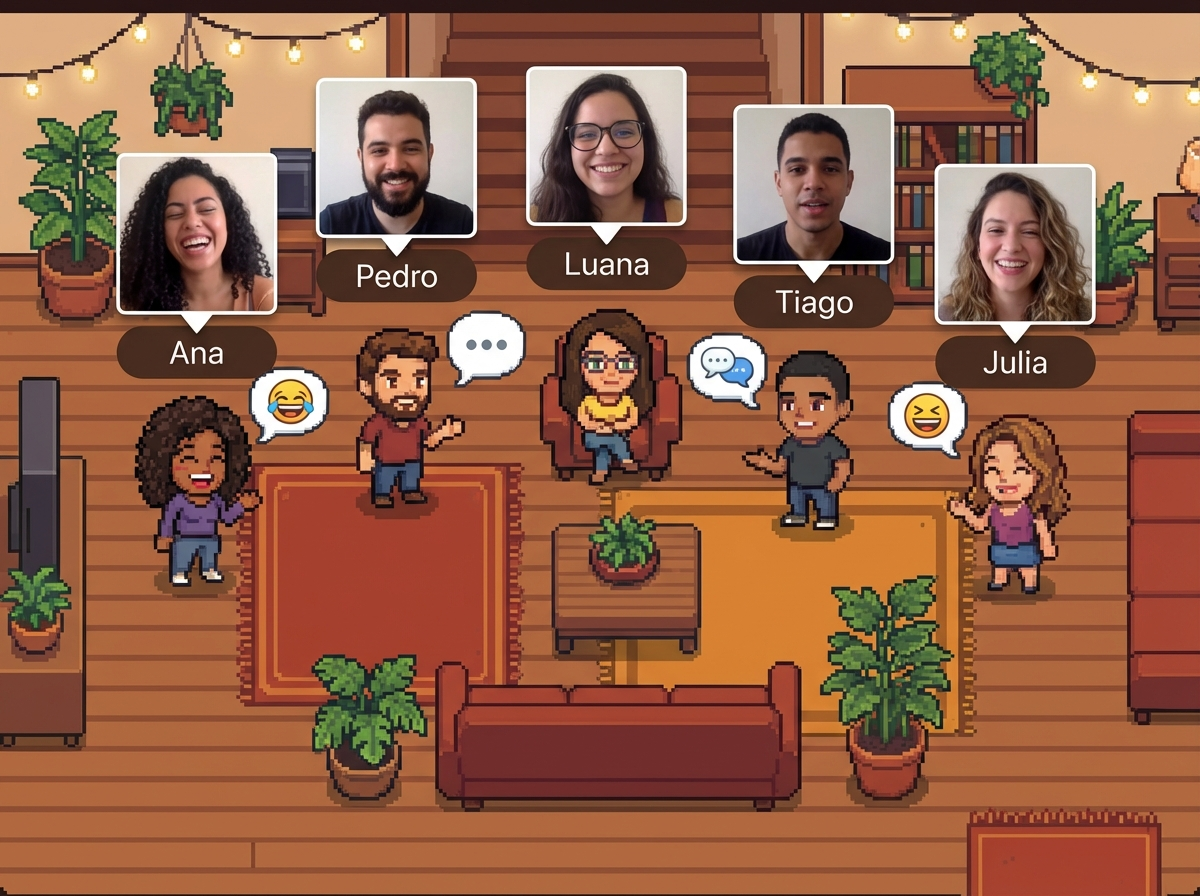
Effective workplace productivity depends on the ability to resolve small issues quickly before they escalate into larger problems. Virtual office tools allow for spontaneous interactions, which are often more efficient than scheduled video conferences. By clicking on a colleague's avatar, a user can start an instant conversation. This immediacy bypasses the need for calendar invites and link sharing, streamlining the communication process and allowing teams to focus on their primary tasks.
To better understand how these tools impact daily operations, consider the following features:
- Real-Time Status Tracking: Visual cues show if a person is in "Deep Work" mode, in a meeting, or available for discussion.
- Spatial Audio and Video: Many platforms use proximity-based communication, where voices get louder as avatars move closer together.
- Integrated Workflows: High workplace productivity is achieved when tools integrate with existing calendars and task managers to automate status updates.
- One-Click Meetings: The ability to jump into a voice or video call without external links saves time and reduces technical friction.
The Role of Transparency in Distributed Team Management
Managing a distributed workforce requires a balance between autonomy and accountability. A virtual office provides managers with a non-intrusive way to see team engagement. This visibility supports workplace productivity by fostering a culture of presence without the need for micromanagement. When everyone can see the collective effort of the team in a shared digital space, it builds trust and reduces the feeling of isolation that often affects remote workers in 2026.
| Feature | Impact on Workplace Productivity | Benefit for Remote Teams |
|---|---|---|
| Availability Indicators | Reduces unnecessary interruptions | Protects focus time for complex tasks |
| Instant Voice Rooms | Speeds up decision-making | Replaces long, redundant email threads |
| Visual Office Layout | Increases sense of belonging | Mitigates the "silo" effect of remote work |
| Activity Logs | Helps identify workflow bottlenecks | Provides data for process optimization |
By utilizing Hurbly.ai, organizations can implement these transparency features to ensure that workplace productivity remains consistent across different time zones. The platform acts as a central hub where the physical distance between employees is bridged by a persistent digital connection, making the virtual environment feel as functional as a traditional headquarters.
Reducing Communication Friction to Optimize Output
Communication friction—the delay or difficulty in exchanging information—is a major hurdle to workplace productivity. In a standard remote setup, a simple question might require a Slack message, followed by a wait, followed by a scheduled Zoom call later in the afternoon. Virtual offices remove these steps. By enabling fluid, informal engagement, teams can handle quick queries in seconds, keeping the momentum of their projects high and ensuring that workplace productivity does not stall due to administrative overhead.
Furthermore, these platforms allow for "passive presence," where teammates work "together" in a shared digital room while remaining silent. This environment encourages workplace productivity by creating a shared psychological space that mimics the social energy of a bustling office. It allows for natural transitions between solo work and collaborative brainstorming, which is vital for creative and technical roles that require both deep concentration and frequent peer feedback.
Implementing Virtual Offices for Long-Term Success
Adopting a virtual office is a strategic move to safeguard workplace productivity in an increasingly digital economy. To get the most out of these tools, teams should establish clear norms regarding status usage. For example, a "Focus" status should be respected as a "do not disturb" signal, while an "Available" status encourages open dialogue. Setting these boundaries ensures that the tool serves to enhance workplace productivity rather than becoming a source of distraction.
- Define status meanings to ensure everyone understands when to interrupt.
- Encourage the use of instant voice chats for topics that require more than three text messages.
- Use the visual layout to group departments, making it easier to find relevant experts.
- Monitor how these interactions affect overall workplace productivity and adjust the digital floor plan accordingly.
As we move through 2026, the integration of real-time presence technology like Hurbly.ai will continue to be a defining factor in high-performing teams. By prioritizing accessibility and reducing the barriers to spontaneous interaction, companies can maintain high workplace productivity and ensure their remote workforce remains cohesive, informed, and agile. Continuous improvement in how teams visualize their digital presence is key to sustaining workplace productivity in the long run.