Understanding Zoom Spots for Remote Team Presence

In this article

Understanding Zoom Spots for Remote Team Presence
Zoom Spots refer to specific virtual locations or digital indicators within a workspace that signal a team member's availability and engagement level. In a remote work environment, these Zoom Spots serve as visual cues that replace the physical "open door" or "desk presence" found in traditional offices. By identifying these Zoom Spots, team members can determine the best moment to initiate a conversation without interrupting deep work. Utilizing tools like hurbly.ai allows organizations to map out these interactions effectively, ensuring that digital presence is transparent and actionable for everyone involved.
The concept of Zoom Spots is grounded in the need for spontaneous communication. In 2026, distributed teams rely on these indicators to maintain a high velocity of information exchange. When a colleague is visible in one of their active Zoom Spots, it implies they are open to quick queries or informal sync-ups. This system reduces the friction of scheduling formal meetings for topics that could be resolved in minutes. By monitoring Zoom Spots, managers can also gain insights into team cohesion and identify potential bottlenecks in communication flow before they impact project timelines.
How Zoom Spots Enhance Real-Time Collaboration
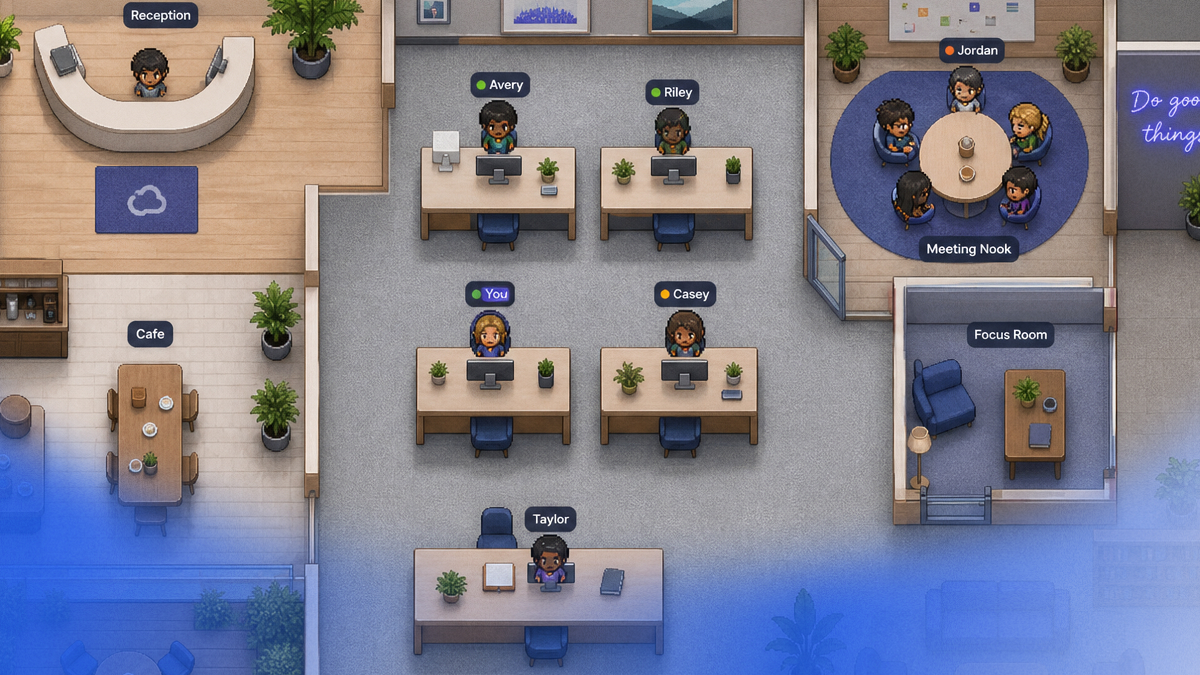
Implementing Zoom Spots within a digital office framework changes how teams interact by providing a structured yet flexible way to connect. These Zoom Spots function as real-time status markers that go beyond simple "online" or "offline" tags. For instance, a user might occupy different Zoom Spots depending on whether they are in a brainstorming session, a focused coding sprint, or a casual coffee break. Platforms like hurbly.ai facilitate this by visualizing these states, making it easy for coworkers to see where their peers are virtually located at any given moment.
To maximize the utility of Zoom Spots, teams typically follow a set of internal protocols:
- Active Engagement: Users move into specific Zoom Spots when they are ready for collaborative tasks.
- Focus Mode: Certain Zoom Spots are designated as "do not disturb" zones to protect deep work.
- Social Interaction: Dedicated Zoom Spots allow for informal water-cooler talk, preserving company culture in a remote setting.
- Availability Signaling: Changing one's position among various Zoom Spots provides an immediate update to the rest of the team without sending a single message.
Integrating Virtual Offices with Zoom Spots
The integration of Zoom Spots into a virtual office environment creates a more immersive experience for remote workers. Instead of staring at a static list of names, employees interact with a dynamic map where Zoom Spots represent different rooms or functional areas. This spatial awareness is crucial for reducing the feeling of isolation often associated with remote work. When you see a group of colleagues gathering in specific Zoom Spots, you understand that a collaborative effort is underway, allowing you to join or provide input if relevant to your role.
| Feature | Impact of Zoom Spots on Workflow |
|---|---|
| Visibility | Provides instant awareness of who is available in specific Zoom Spots. |
| Spontaneity | Enables "walk-up" conversations by clicking on active Zoom Spots. |
| Efficiency | Reduces the volume of unnecessary emails by utilizing live Zoom Spots for quick chats. |
| Transparency | Clearly displays team activity levels through various Zoom Spots. |
By using hurbly.ai, teams can customize their digital floor plan to include various Zoom Spots that reflect their unique departmental needs. This customization ensures that the virtual environment feels familiar and functional. As teams navigate between different Zoom Spots, the platform captures the essence of a physical office, where movement and presence are natural indicators of work state and availability.
Technical Benefits of Monitoring Zoom Spots
From a technical perspective, the data generated by interactions within Zoom Spots can be used to optimize team performance. By analyzing which Zoom Spots are most frequently used, leadership can determine if the current virtual layout supports the team's actual work habits. If certain Zoom Spots remain empty while others are overcrowded, it may indicate a need to restructure how teams are grouped or how tasks are delegated. This data-driven approach ensures that the digital workspace evolves alongside the team's needs.
Furthermore, the use of Zoom Spots helps in minimizing "notification fatigue." Instead of receiving constant pings, a team member can simply glance at the dashboard of hurbly.ai to check the status of their peers' Zoom Spots. This visual check is less intrusive than a direct message and allows for better time management. When individuals manage their presence through Zoom Spots, they take control of their own accessibility, leading to a more balanced and productive remote work experience in 2026.
Best Practices for Managing Zoom Spots in 2026
To ensure that Zoom Spots remain effective, teams should establish clear expectations regarding their use. Consistency is key; if a team member is in a "Meeting" Zoom Spot but is actually available for chat, it creates confusion. Therefore, updating one's status across different Zoom Spots should become a seamless part of the daily routine. Using an intuitive interface like hurbly.ai makes this process effortless, as the software often automates status changes based on user activity or calendar events.
- Define Zoom Spots clearly: Ensure every team member knows what each status or location signifies.
- Encourage movement: Remind users to transition between Zoom Spots as their tasks change throughout the day.
- Respect boundaries: If a colleague is in a "Deep Work" Zoom Spot, avoid initiating non-urgent contact.
- Use for onboarding: Introduce new hires to the company's Zoom Spots to help them integrate into the team culture quickly.
- Review usage: Periodically check if the current configuration of Zoom Spots still meets the team's communication requirements.
By focusing on these practical applications of Zoom Spots, remote and distributed teams can achieve a level of synchronization that rivals physical offices. The ability to see and be seen in the right Zoom Spots at the right time is the foundation of modern, efficient digital collaboration.